Sector(s)
Team Members
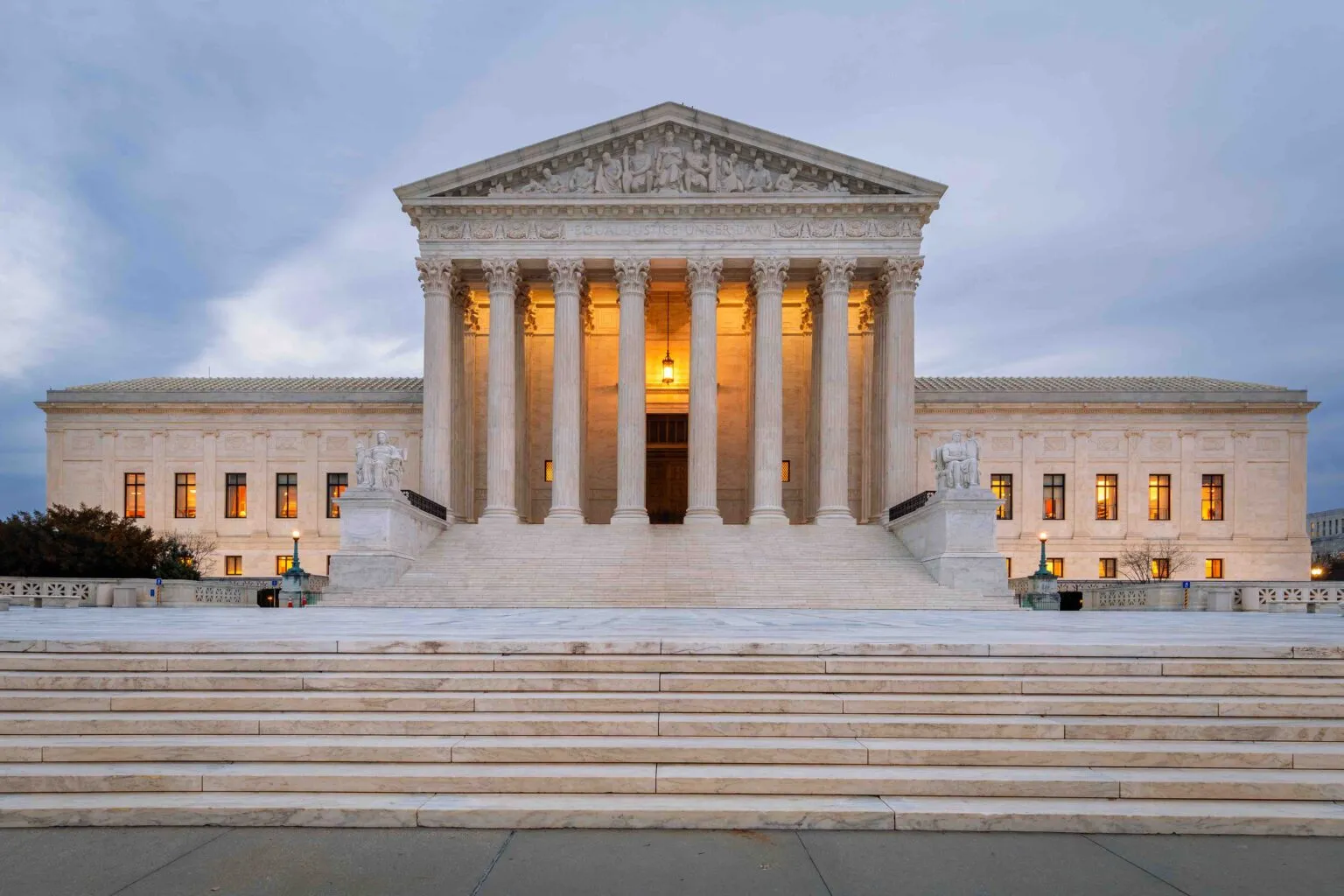
The U.S. Courts were created under Article III of the Constitution to administer justice fairly and impartially, within the jurisdiction established by the Constitution and Congress. This site is maintained by the Administrative Office of the U.S. Courts on behalf of the Federal Judiciary.
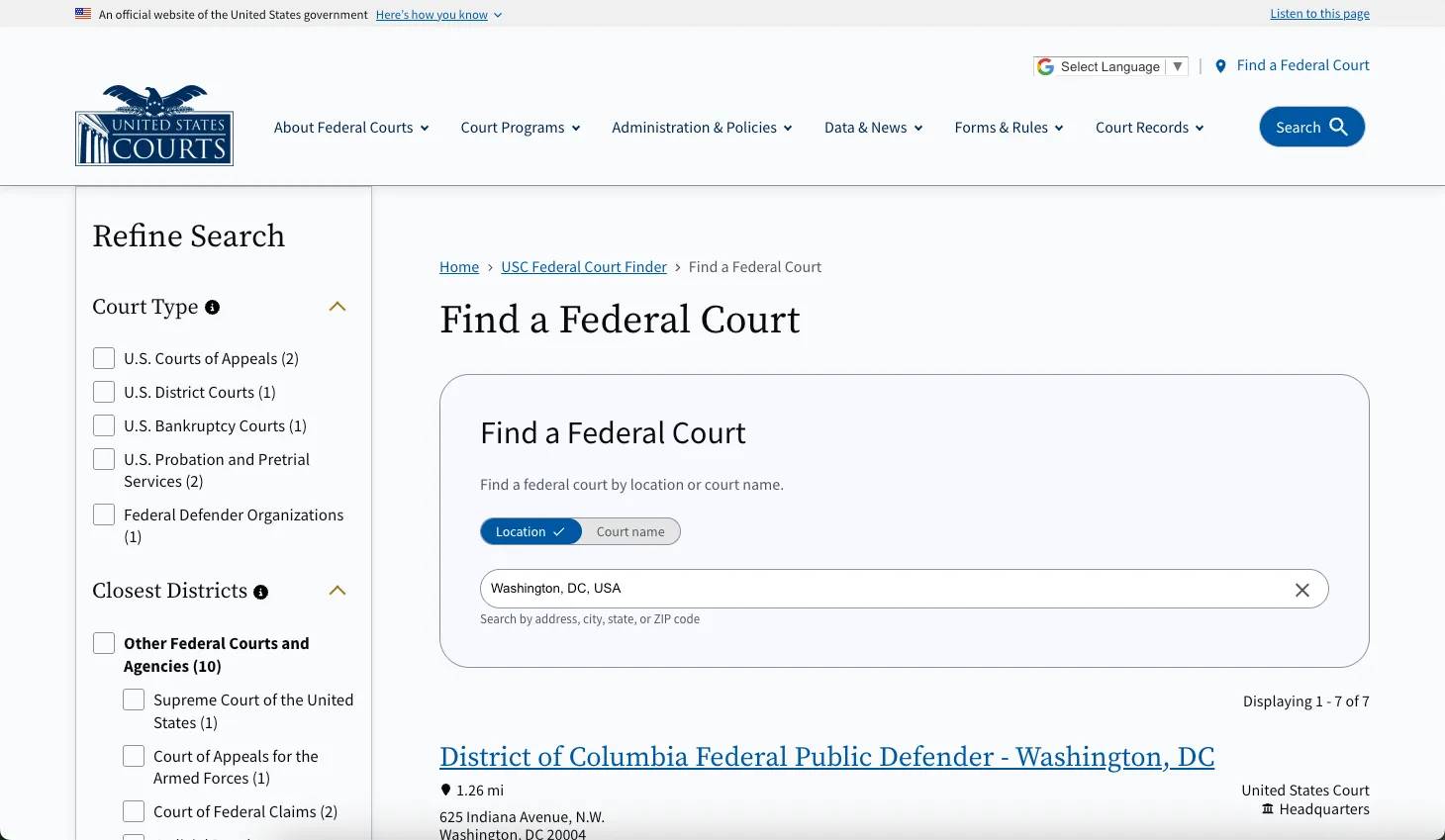
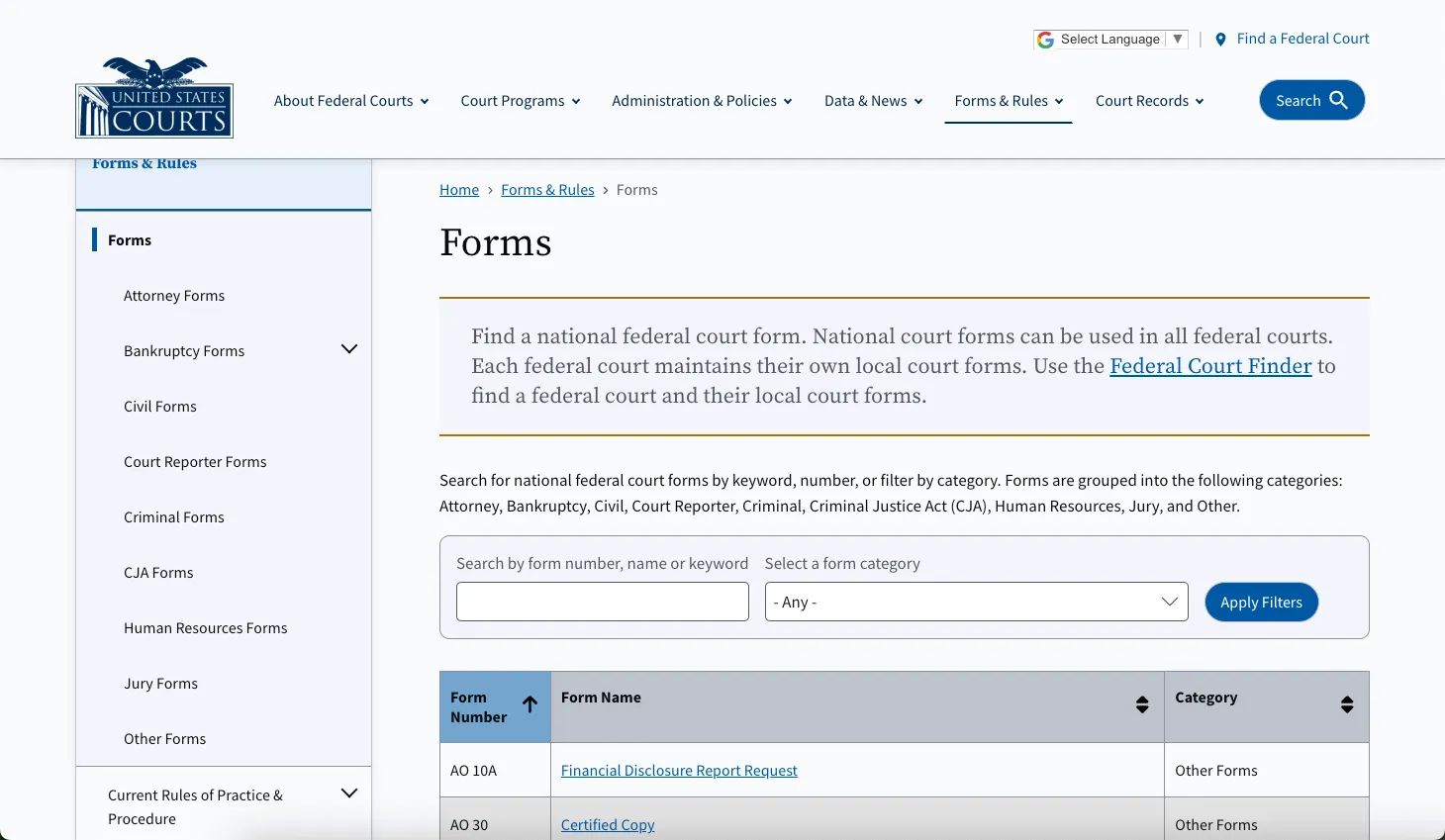
In 2024, the Administrative Office of the U.S. Courts awarded a contract to Agileana to redesign, redevelop, and migrate uscourts.gov from Drupal 7 into Drupal 10.
About the project
Primary goal was to migrate, redesign, and modernize the site from Drupal 7 to Drupal 10
Why Drupal was chosen
The U.S. government prefers Drupal for its web content management systems for several strategic, technical, and compliance-related reasons.
1. Open Source and Cost-Effective
-
No licensing fees: Drupal is free to use, which aligns with government goals of reducing long-term costs.
-
Avoids vendor lock-in: Agencies can switch contractors without losing access to proprietary platforms or data.
2. Security and Compliance
-
Highly secure: Drupal has a dedicated Security Team and a strong track record of patching vulnerabilities quickly.
-
Meets federal standards: Complies with FISMA, FedRAMP, Section 508, and other federal security and accessibility requirements.
-
Trusted by DoD and civilian agencies: Many sites with strict security requirements (e.g., whitehouse.gov in past years) have used Drupal.
3. Scalability and Flexibility
-
Drupal handles high-traffic and mission-critical sites with complex information architectures.
-
It supports custom content types, workflows, and permissions — essential for large government teams with varied roles and responsibilities.
4. Multisite and Multilingual Support
-
The government often needs to manage hundreds of subsites or partner portals (e.g., sub-agencies, programs).
-
Drupal's multisite architecture enables this efficiently with centralized code and decentralized control.
-
Supports multilingual content, which is critical for public-facing agencies serving diverse populations.
5. Strong Ecosystem and Community
-
Robust developer community: Thousands of modules and contributors, many experienced in government-specific needs.
-
Contractor support: A deep bench of vendors and freelancers already familiar with using Drupal in government contexts.
-
Events and knowledge sharing: Drupal GovCon and similar events support shared learning and best practices among agencies.
6. Accessibility by Design
-
Drupal supports Section 508 compliance out of the box.
-
USWDS (U.S. Web Design System) themes are available and widely used to ensure consistency, usability, and accessibility.
7. Content Governance and Workflow
-
Native support for moderated content workflows, version control, and granular role-based permissions.
-
Enables agencies to manage public communications carefully and in compliance with review protocols.
8. Custom Integrations and APIs
-
Drupal’s API-first approach makes it easy to integrate with:
-
CRM systems
-
Analytics platforms
-
Search engines like Elasticsearch
-
Other internal and external federal systems
-
9. Proven Track Record
-
Used by:
-
Department of Commerce
-
Department of Veterans Affairs
-
HHS (including AHRQ, NIH, CMS)
-
USDA
-
FCC
-
-
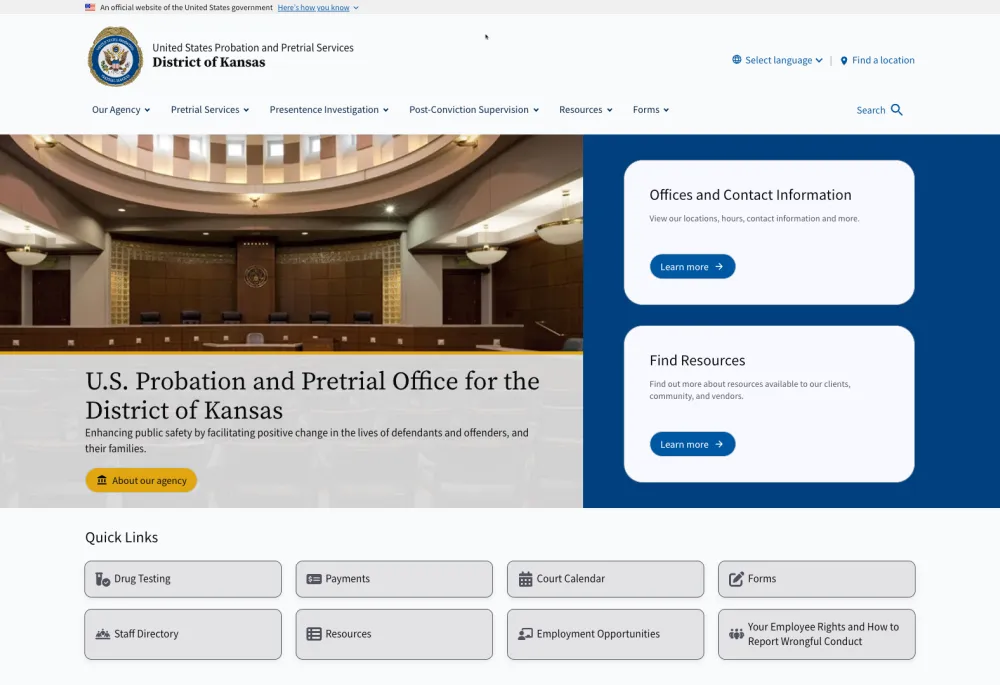
State governments like Georgia.gov and Mass.gov also use it extensively.
Technical Specifications
Drupal version: