Sector(s)
Team Members
People First helps residents, carers and professionals find information and support across Kensington and Chelsea and Westminster. Big Blue Door was commissioned to redesign and rebuild the service, improving the experience of finding information while giving council teams a more flexible platform to maintain it.
The project began in October 2025 and the initial service launched in February 2026. Big Blue Door delivered discovery, information architecture, Figma wireframes and prototypes, a LocalGov Drupal implementation and migration from the previous Umbraco platform. Delivery continued after launch, with user research and testing informing subsequent improvements. Big Blue Door also provides ongoing hosting, support and maintenance, keeping the service under active development as the councils' priorities and residents' needs evolve.
Business case and background
People First is a council-funded service with a role that extends beyond publishing council information. It brings together advice and services from public, private and voluntary organisations, helping people understand their options and make decisions about care, wellbeing and everyday life. Its audience includes people seeking support for themselves and people finding information on someone else's behalf.
The previous platform made relevant, current information difficult to find. Complex subject matter needed a clearer structure, while the service also needed to improve usability, accessibility and content management. For the councils, keeping information useful over time was as important as refreshing its presentation.
The business case was therefore to create a shared digital service that could support both residents and the teams responsible for maintaining it. Big Blue Door worked with stakeholders from both councils to translate these priorities into a structured, maintainable website. A phased approach allowed the essential service to launch first, with subsequent development responding to research and practical experience of the live platform.
About the project
Discovery and a shared direction
Big Blue Door began by working with stakeholders across both councils to understand the service's audiences, content challenges and priorities. Discovery included content audits and user journey mapping, followed by an information architecture aligned with LocalGov Drupal patterns. Wireframes and Figma prototypes helped the project team review design decisions before development.
The goal was to make a complex information service easier to navigate while improving the tools available to its editors. Responsive design and WCAG 2.2 AA were specified requirements, alongside clearer search, structured content and an approach that could accommodate future enhancements.
Migrating and rebuilding the service
The delivery combined a new user interface with the migration of existing content from Umbraco. Technical project records show migration work covering service pages, reusable content elements, news, events and directory data. This supported the transition to Drupal's content structures while retaining the information needed for the service to continue.
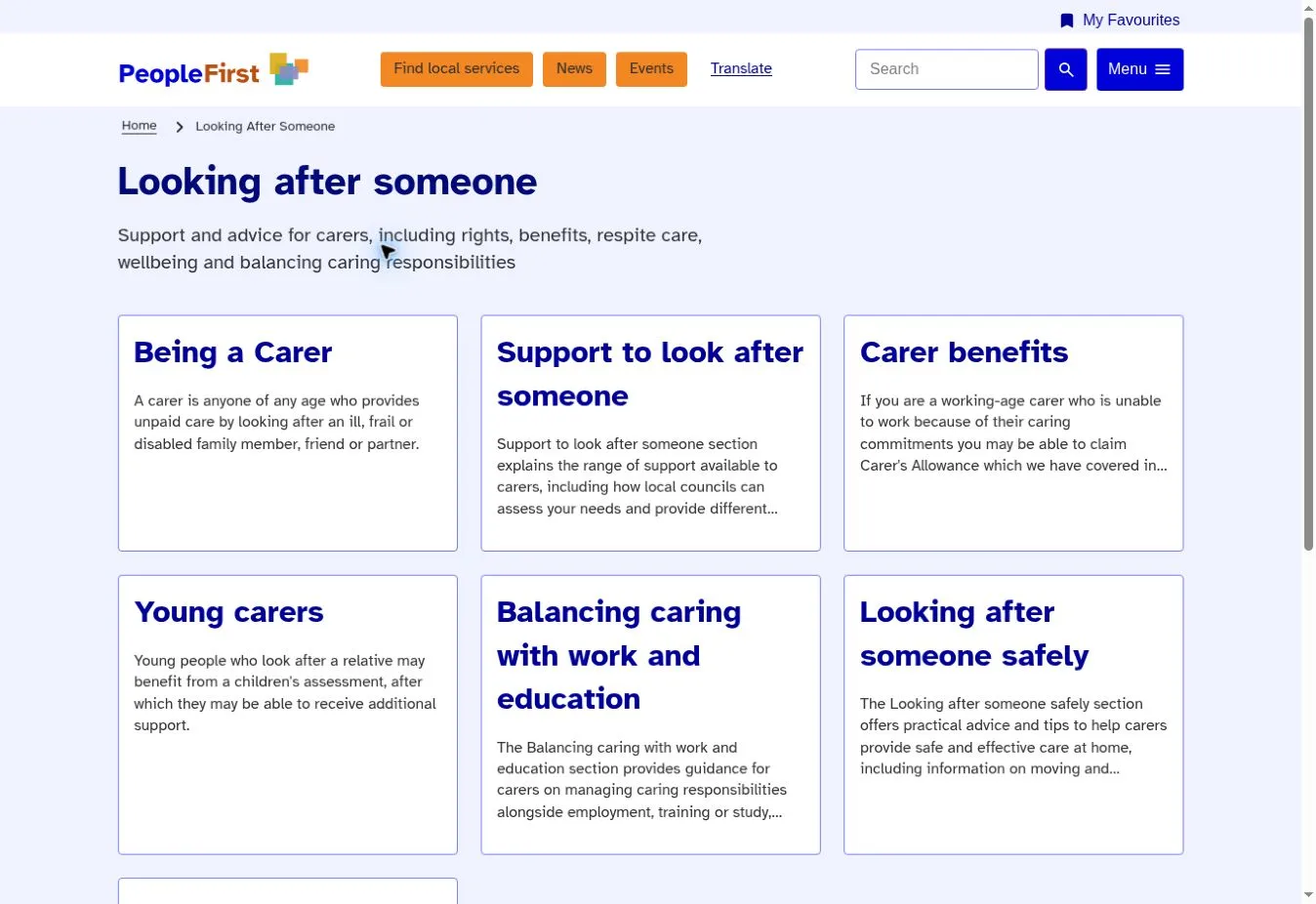
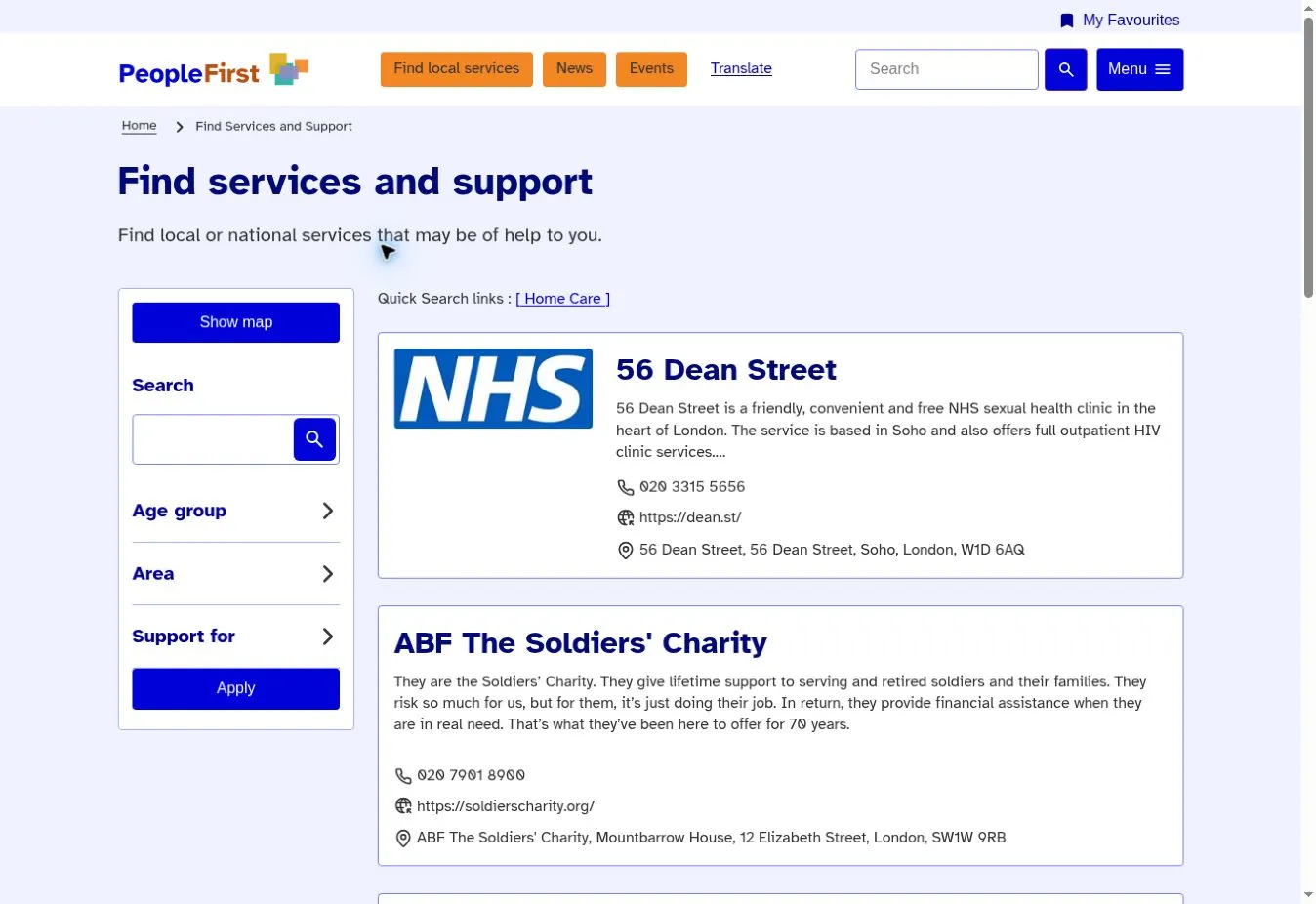
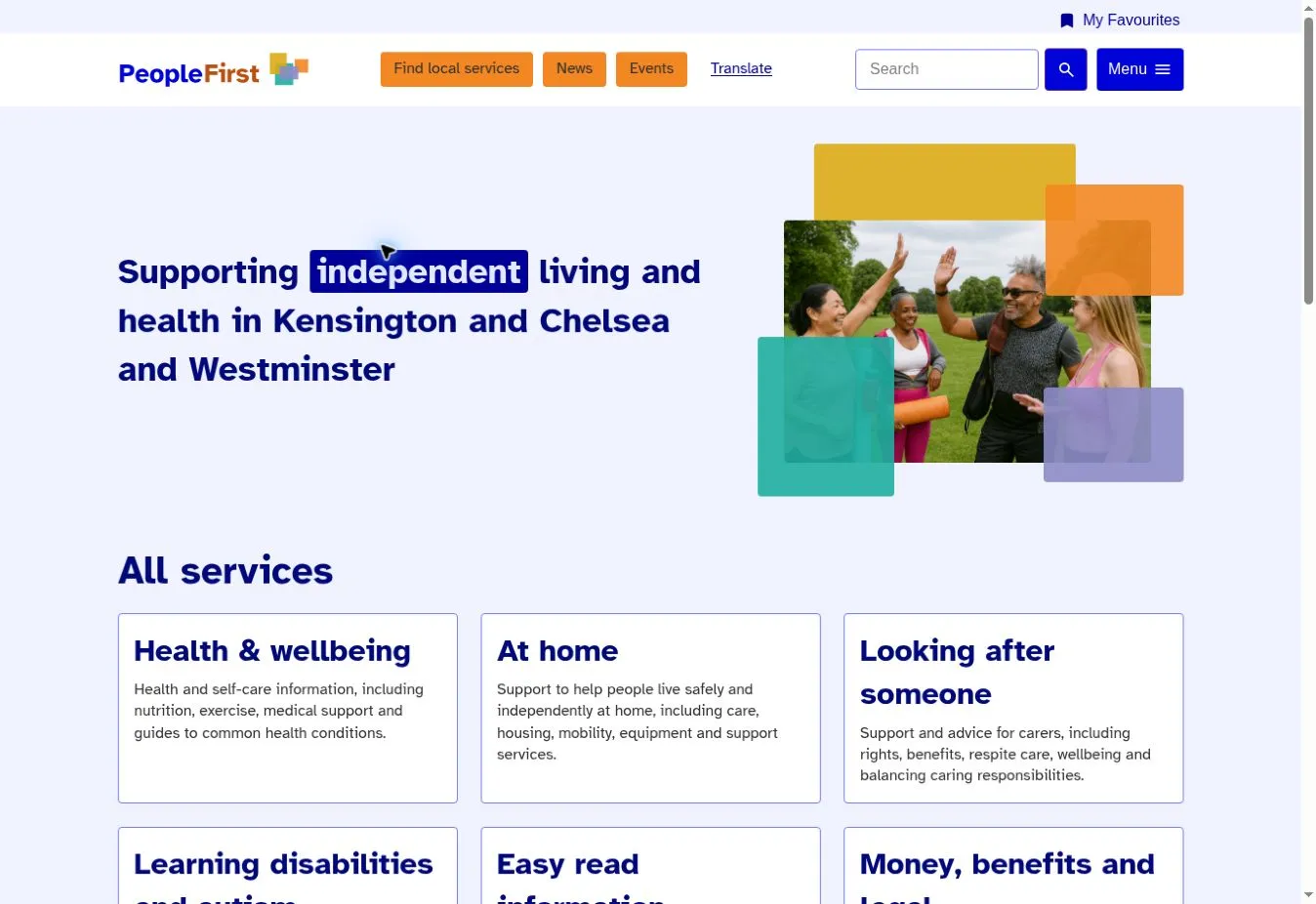
The resulting site gives visitors several routes into support: topic-based advice, a searchable directory and dedicated news and events sections. The directory includes filters for age group, area and support needs, helping visitors narrow their search. Consistent page layouts give editors a framework for organising and presenting information.
A launch followed by evidence-led improvement
The initial service launched in February 2026, following work that began in October 2025. Big Blue Door then continued delivery through a prioritised backlog, regular project catch-ups, development, quality assurance and council testing.
Post-launch user research provided practical direction for the next phase. Meeting records describe testing with six participants, many of whom were looking for information for someone else. Feedback informed changes to mobile search visibility, navigation and directory presentation. Further work addressed search relevance and supported the councils' development of Easy Read content.
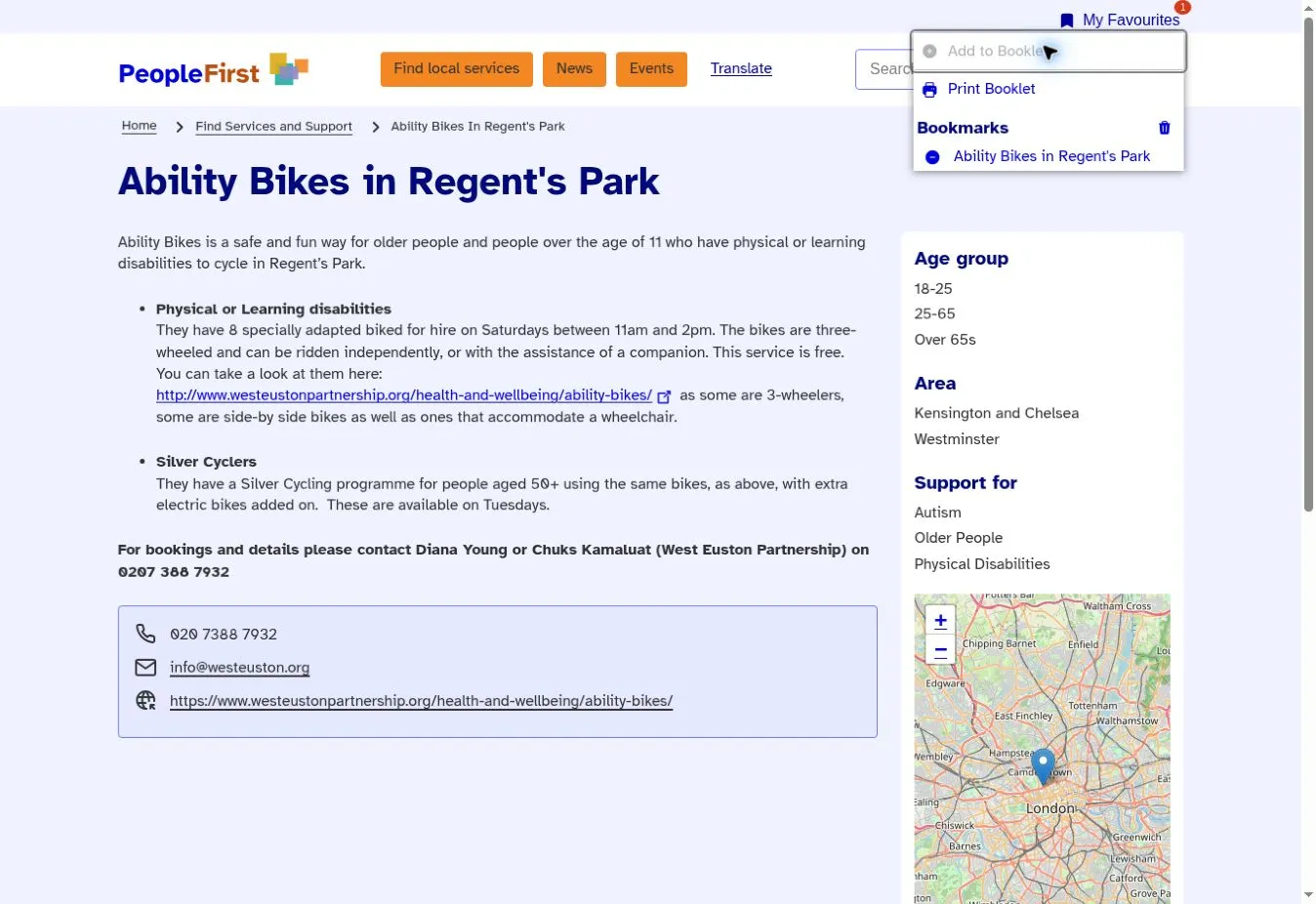
One distinctive addition is the ability to save pages as favourites and assemble a printable booklet. This gives residents, carers and professionals a way to collect relevant information for later use or a conversation away from the website. It connects the online service with situations where printed information is useful, without making every visit depend on an online-only journey.
By August 2026, project records confirmed that the main second-phase development and testing feedback had been completed and deployed, with a small set of further refinements identified. The delivery approach allowed the service to improve incrementally as the team learned from real use.
Outcome and continuing partnership
People First now has a shared LocalGov Drupal foundation for advice, directories, news and events, with clearer routes through its content and tools to help visitors retain useful information. For the councils, the rebuild provides structured publishing and a platform that can be developed over time.
Big Blue Door hosts the service on autoscaling AWS infrastructure in the London region and provides ongoing support and maintenance through a UK-based service desk. The continuing partnership includes monitoring, platform updates, infrastructure management and input into future improvements.
The project's value lies in the combination of a maintainable public-sector platform and continued attention to how people use it. LocalGov Drupal enabled Big Blue Door to deliver an initial service promptly, then extend it in response to feedback while supporting the councils' longer-term digital ambitions.
Why Drupal was chosen
LocalGov Drupal provided a strong fit for a service combining substantial advice content with directories, news and events. Its established local government content patterns gave Big Blue Door and the councils a foundation for organising information around users' needs, with service landing pages, detailed pages and guides supporting a consistent structure.
Drupal's structured content model was particularly useful for the directory. Organisation records could be managed as distinct content, with categories and location information supporting discovery. Advice pages and directory entries could sit within one coherent service, while retaining the different information each type of content needs.
The editorial requirements were equally important. The project specification called for defined publishing roles, moderation, revision history, scheduled publishing, content ownership and review dates. These capabilities support a service in which information changes and responsibility is shared across teams. Reusable page components and a central media library also provide flexibility within a consistent design approach.
LocalGov Drupal's open-source foundation allowed Big Blue Door to combine established functionality with People First-specific design and development. The later favourites and booklet features illustrate how the platform could be extended after the initial launch without replacing the underlying CMS.
The project replaced an Umbraco website. The rationale for moving to LocalGov Drupal centred on its fit with local government publishing, flexible content structures and continued development, together with alignment to Westminster's wider digital services.
Technical Specifications
Drupal version:
Key modules/theme/distribution used:
Big Blue Door chose LocalGov Drupal because its established local government publishing features closely matched People First’s requirements. Service pages, guides, directories, news and events provided a reusable foundation for organising care and community information, while editorial workflows, content ownership and review dates supported ongoing management across both councils. Reusable page components gave editors flexibility within a consistent design, with a custom theme preserving People First’s distinct identity. Building on this shared open-source distribution allowed Big Blue Door to focus development on the service’s specific needs, including later favourites and printable-booklet functionality, while maintaining alignment with Westminster’s wider digital services.