Sector(s)
Team Members
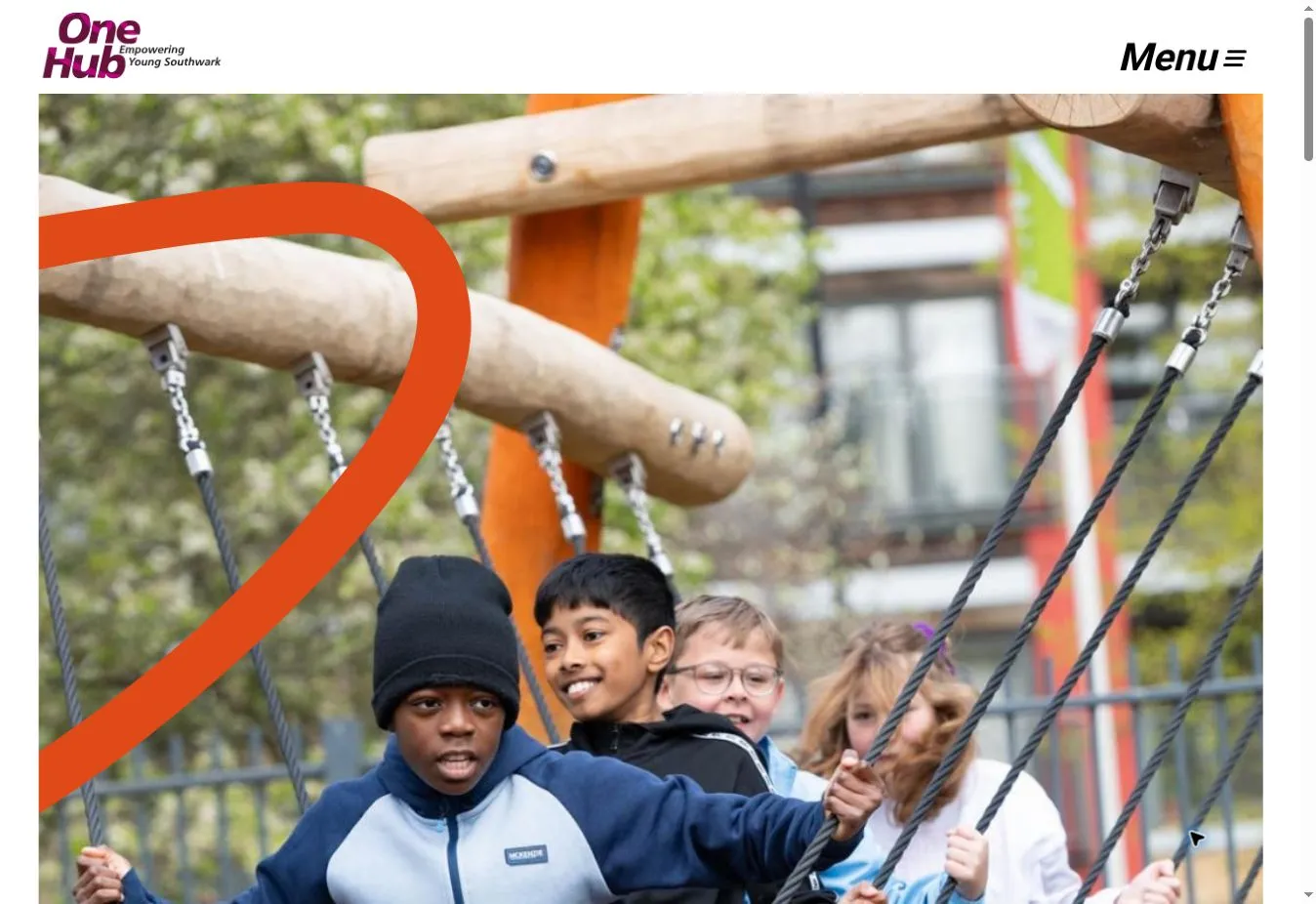
One Hub brings together information for young people, parents, carers and organisations working with young people in Southwark. The original brief focused on an 11–19 audience and a flexible website where local opportunities and support could be discovered in one place.
Big Blue Door’s work covered discovery, prototyping, naming and branding, Drupal development and ongoing support. The project began with a formal kickoff in October 2021 and reached live delivery during 2022. It has continued to evolve, including a substantial development programme in 2025.
Two features are particularly distinctive: home-screen access through a Progressive Web App, and the ability for partners to submit service information without first navigating a complex registration process. Big Blue Door also provides ongoing hosting, maintenance and support for the platform.
Business case and background
Southwark wanted a shared digital resource that would help young people and families discover relevant activities and services. The brief called for information that was comprehensive, current and accessible, alongside an interactive experience that met the needs of the organisations providing those services.
The challenge involved both sides of the directory. Young people needed useful information presented in a way that helped them decide what to do next. Providers needed a practical way to contribute information about their work. A directory would only remain useful if people could find relevant entries and organisations could help keep its content current.
The project therefore treated participation as part of the service design. Young people were involved in shaping the requirements, with a panel intended to influence successive design and development iterations. Council staff and providers also had roles in preparing and maintaining the content.
Big Blue Door developed One Hub as a distinct youth-facing product while retaining its connection with Southwark Council. Drupal supplied the publishing foundation, and the PWA and contribution journeys addressed practical barriers to repeat use and participation. The aim was to make local information easier to reach and maintain across a network of organisations.
About the project
Designing with young people
The project set out to connect young people with activities and support while also serving parents, carers and youth organisations. Big Blue Door worked with the Council through regular project discussions and iterative design review, with young people’s feedback intended to shape successive versions of the product.
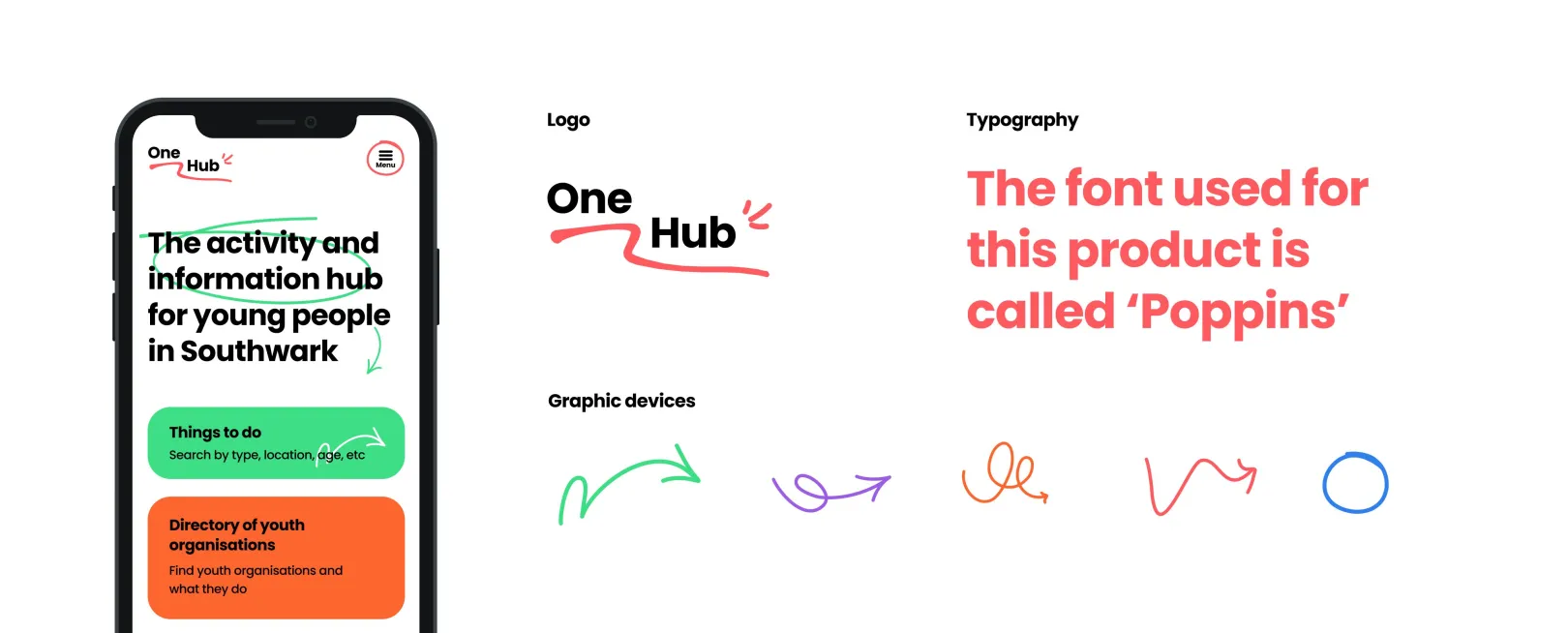
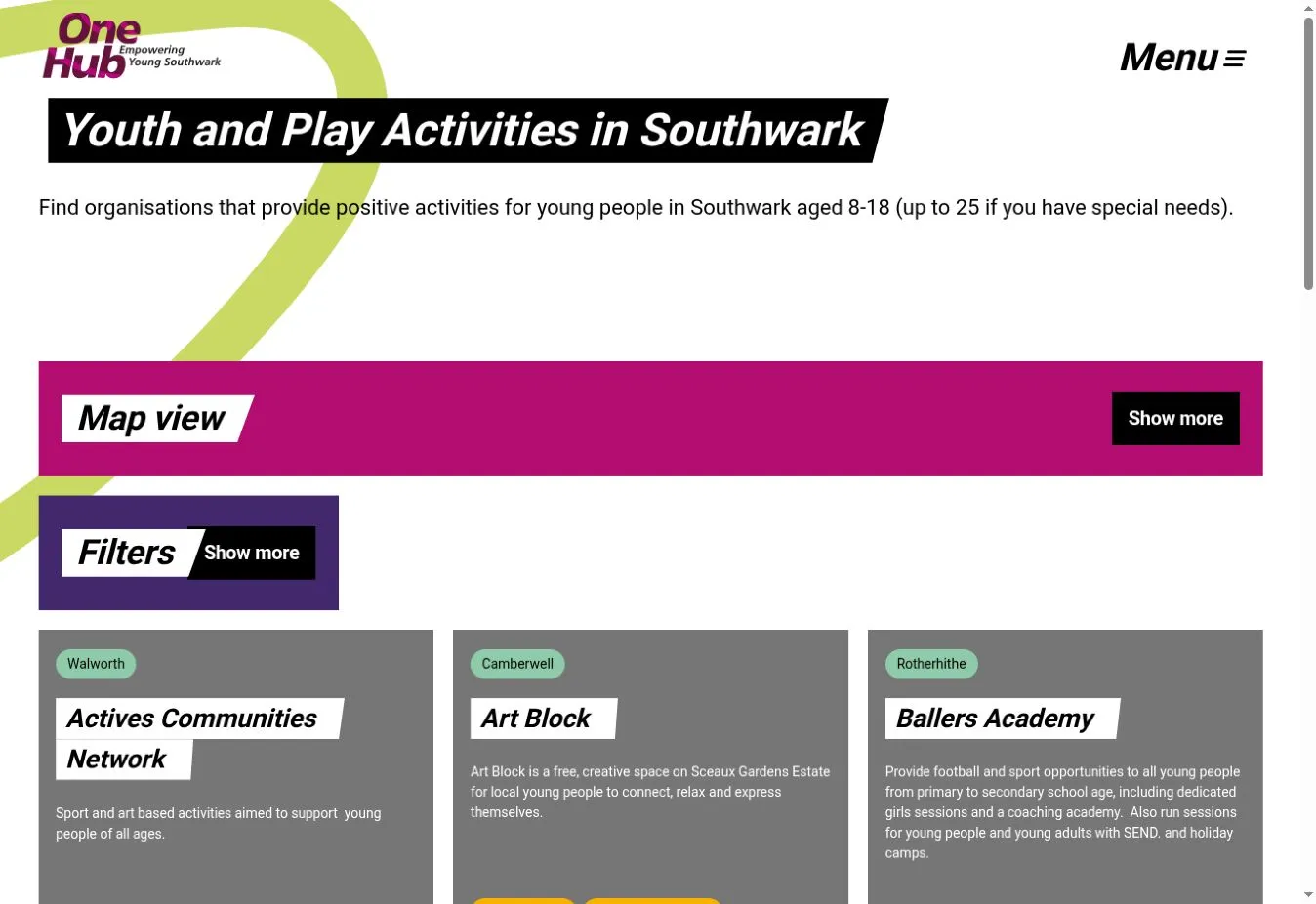
Research highlighted the importance of quick discovery on mobile and practical information about getting to an activity. Big Blue Door developed and tested a distinct identity, using three visual directions and naming exercises to establish One Hub. The original experience included maps, filters and a device-based way of saving preferred activities.
March 2022 delivery records document preparations for in-person testing with young people and further sessions involving Youth Parliament members. They also show content modelling, provider-directory planning and discussions about connections with the Council’s wider information services. Weekly catch-ups helped coordinate design, development, feedback and content preparation.
A PWA that makes returning easier
Big Blue Door delivered One Hub with a Progressive Web App approach, enabling users to add a shortcut to the service on their mobile phone’s home screen. This gives people a convenient way to return to information they use regularly, while preserving access through normal browser links.
The choice was deliberate. A separate mobile application would have introduced another route that users would need to find and adopt. One Hub’s web-based approach lets the same service work across multiple entry points: someone can follow a shared link, browse directly or return through their home-screen shortcut.
For a service used by young people, families and partner organisations, that flexibility matters. Access is not dependent on everyone adopting the same dedicated app. Drupal remains the content platform behind the experience, allowing publishing and service information to be managed together.
Making it easier for partners to contribute
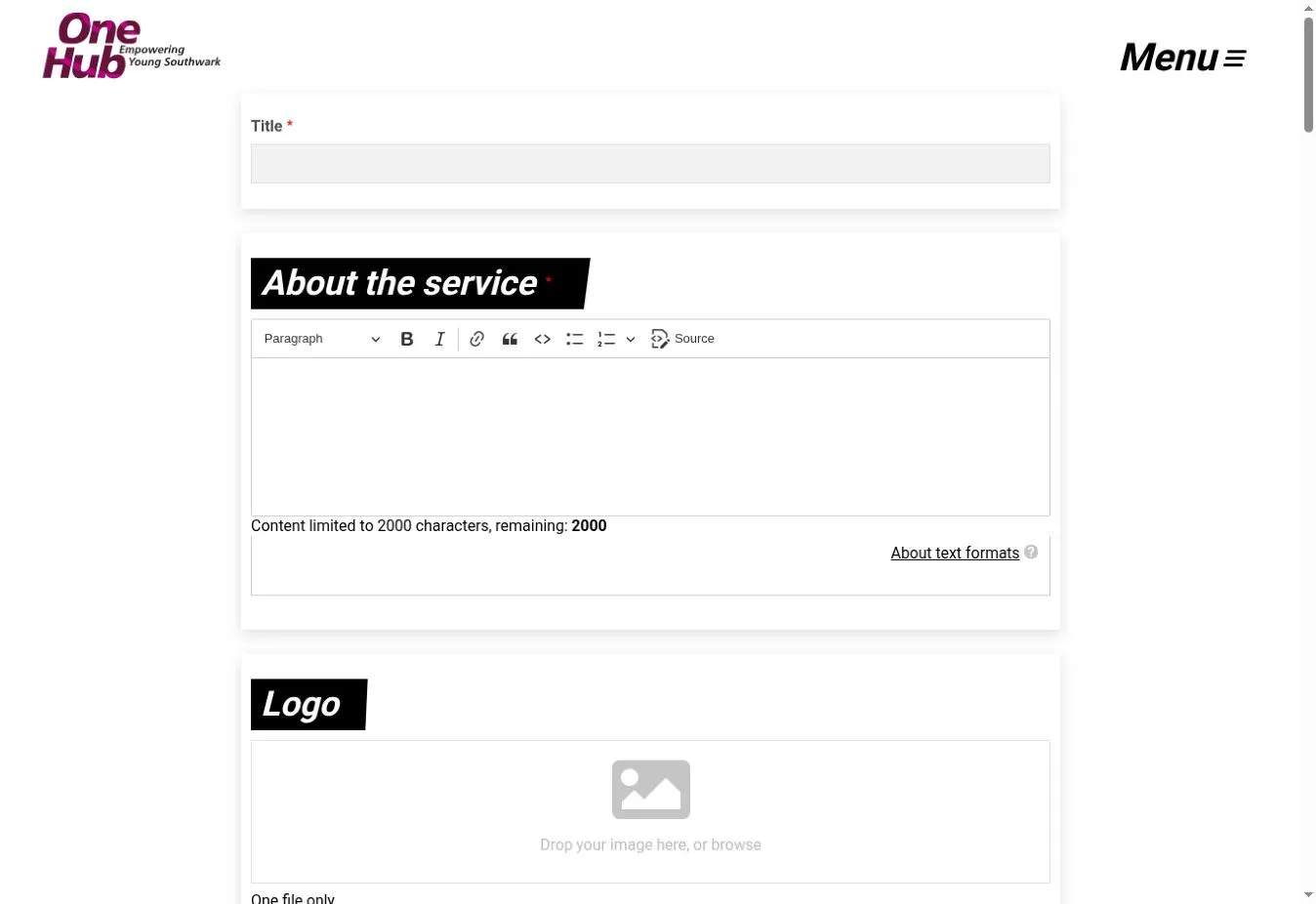
The other side of participation is keeping information flowing into the platform. Big Blue Door’s original service approach enabled partners to contribute local events and services without a complex registration process. The public service-submission form still provides a direct route for organisations to supply information without signing in.
The form gathers structured details rather than requiring an organisation to send an unstructured description for the Council to re-enter. This supports more consistent directory entries and reduces the number of steps between a provider deciding to contribute and supplying its information.
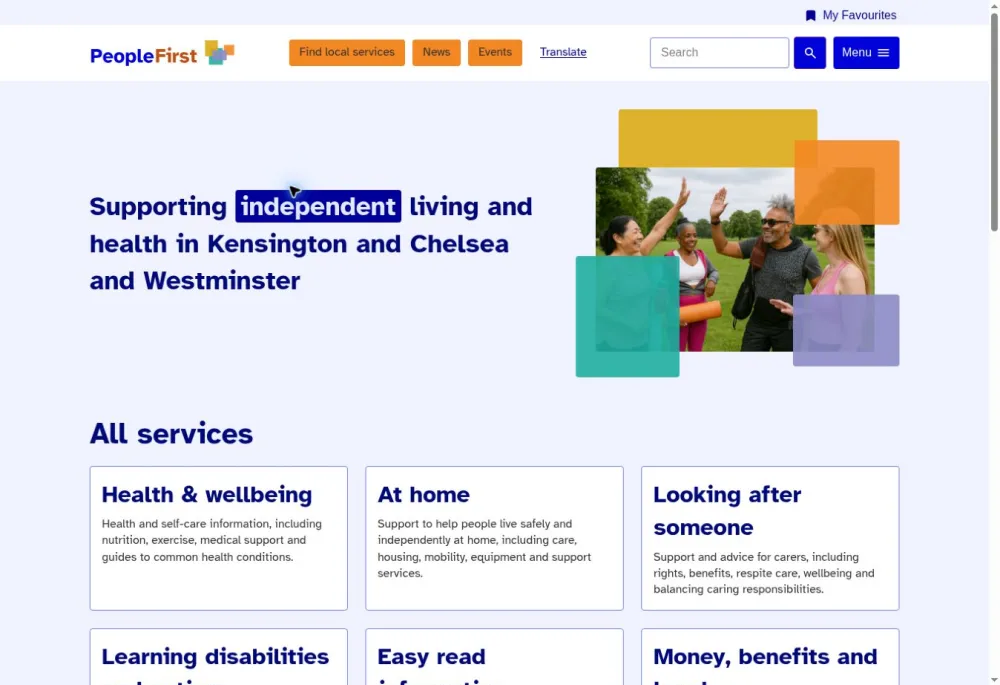
The current routes distinguish services from events. Organisations can submit their service details directly to One Hub, while Southwark’s published guidance directs event contributions through the Southwark Presents directory. This keeps the case study aligned with how the wider service operates today.
Milestones and continued development
- October 2021: formal project kickoff established the audience, contribution model, user involvement and working arrangements.
- Early 2022: prototyping, user-testing activity and content modelling developed the service around the agreed requirements.
- 2022: the original Drupal platform reached live delivery. The records reviewed include July deployment and content-review activity.
- 2023 onward: upgrade planning and account reviews supported the platform’s continued maintenance.
- 2025: a further programme updated layouts, content presentation and youth-centre and adventure-playground discovery. May delivery notes record responsive-layout fixes, filtering work and preparations to move the refreshed site live.
- 2026: the relationship continued through support, hosting and maintenance discussions, alongside consideration of further submission-form improvements.
Outcome
One Hub established a shared place for young people and families to find activities, support, opportunities and information about local organisations. Providers gained a direct route to contribute service details, while the Council gained a structured publishing platform that could be developed over time.
The PWA and registration-free contribution route address different barriers to engagement: one makes returning to the service more convenient; the other makes contributing to it more straightforward. Their value lies in the practical experience they support, rather than requiring people to adopt a separate app or complete an account-creation process before contributing service information.
Big Blue Door’s ongoing AWS hosting, maintenance and development support the platform beyond launch. The continued changes to content, layout and directory functionality show One Hub evolving with Southwark’s youth-service needs.
Why Drupal was chosen
Drupal provided a suitable foundation for a service combining editorial content with a structured directory. One Hub needed to describe organisations, activities and support consistently, while allowing people to discover information through different routes.
The build planning identified content types for the homepage, general pages, activities and organisations, together with reusable components for text, video, embedded media and promotional content. This gave the team a way to support varied content within a common publishing system. The service form captures practical information such as descriptions, opening hours, contact details, location, categories and age ranges.
The contribution model was equally important. Drupal supported a public-facing route through which partner organisations could provide structured information without first creating an account. Editorial review was part of the project’s planned approach, separating the ability to contribute from responsibility for publication. Removing a registration step did not require the service to abandon a structured content model.
The PWA complemented that foundation. Users could reach the same web service through an ordinary link or a home-screen shortcut, while the Council maintained a shared source of information. A dedicated native mobile application was considered as an approach, but the web-based model was preferred to retain multiple routes into the service.
The original platform used Drupal 9. Subsequent upgrade planning, design changes and ongoing support demonstrate the need for a platform that could develop over several years rather than serve only an initial launch.
Editorial note: no formal shortlist of competing CMS products was found. Native app versus PWA is an evidenced delivery choice, not a documented Drupal-versus-other-CMS procurement comparison. One Hub is not described as a LocalGov Drupal Microsites implementation.
Technical Specifications
Drupal version: