Sector(s)
Team Members
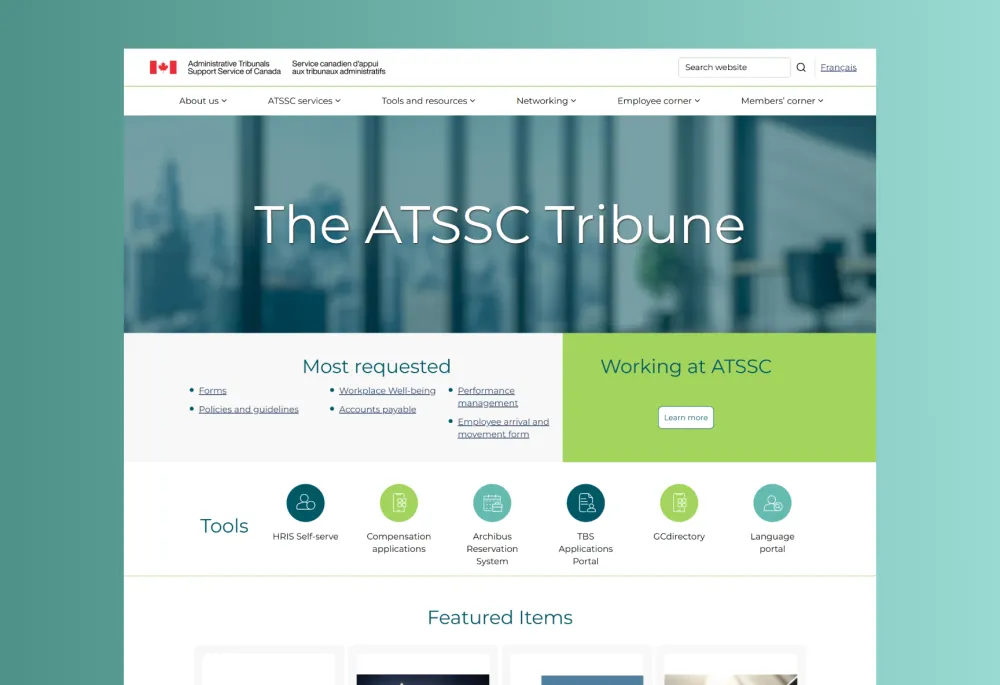
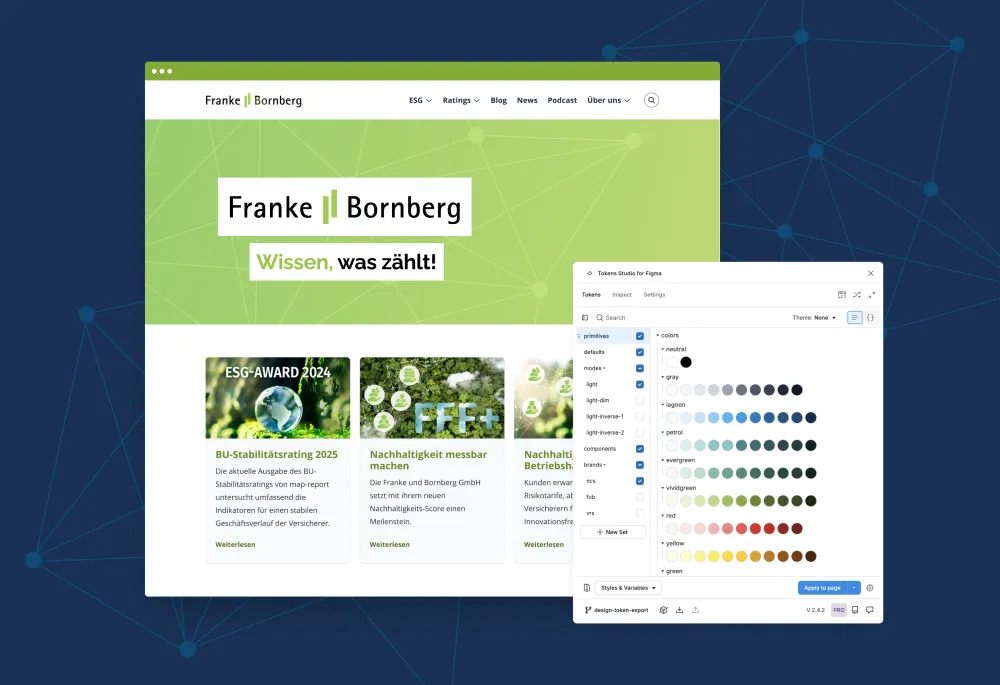
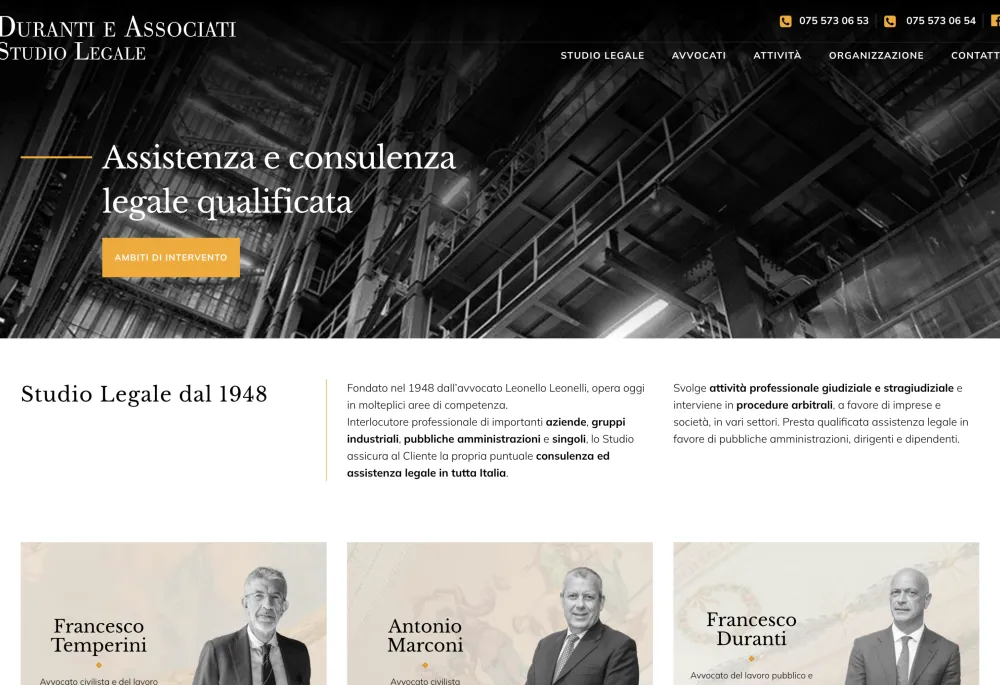
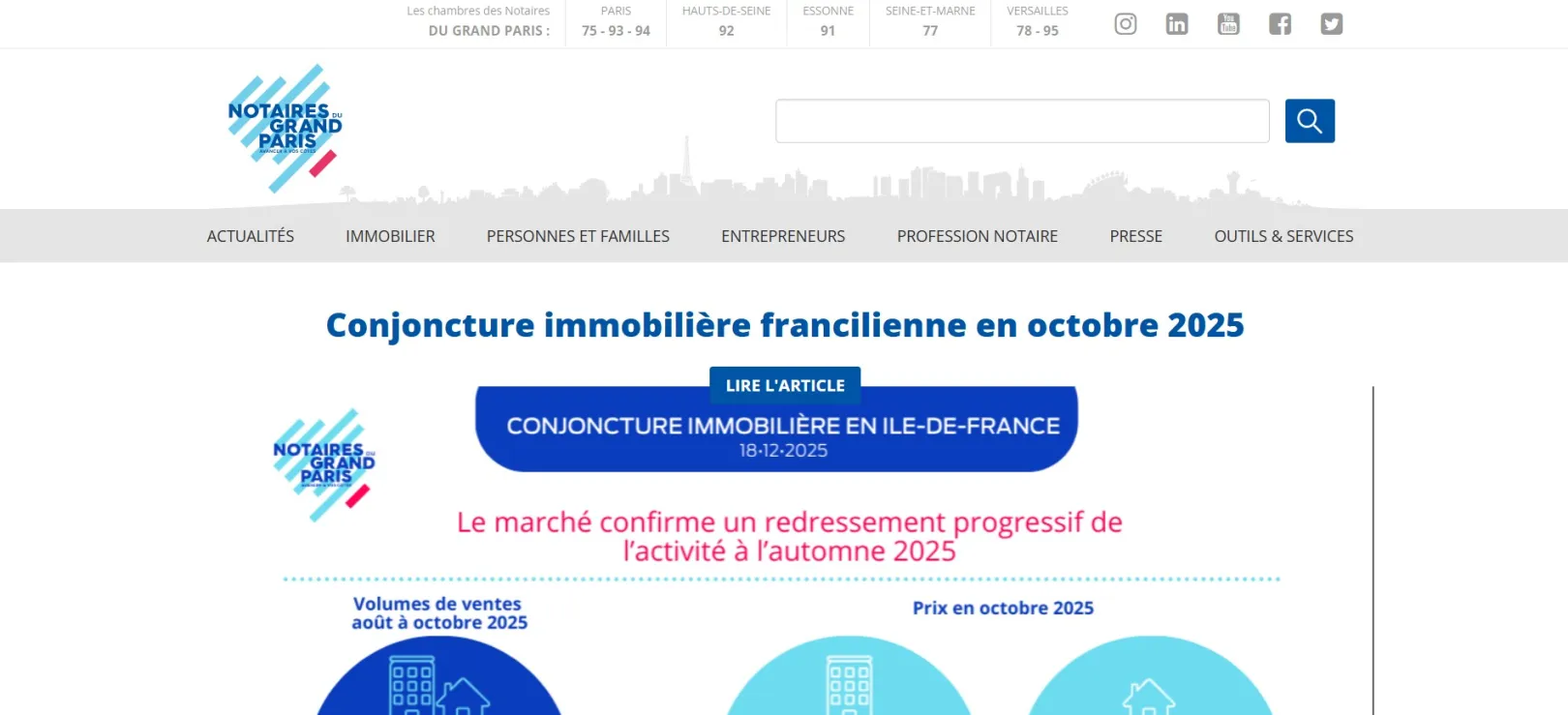
The project delivers a unified digital ecosystem composed of several public-facing sites (institutional content, tools, and services) and a secured intranet for internal stakeholders. Built on a shared technical foundation, the platform enables content reuse, consistent branding, and efficient governance, while allowing editorial autonomy for different departments and audiences.
About the project
Goals
- Centralize multiple websites into a single scalable platform
- Ensure consistent branding, UX, and content structure
- Provide reliable public tools (directories, simulators, data access)
- Support both public audiences and notarial professionals
- Reduce maintenance costs and simplify platform evolution
Requirements
- A shared core with reusable components and templates
- Site-specific content management for different territories or audiences
- Secure access for internal users (intranet)
- High availability, accessibility, and compliance with public standards
- Easy rollout of new sites or sections over time
Outcome
- A robust Drupal-based website factory powering multiple sites and an intranet
- Faster publishing and improved content consistency
- Simplified maintenance through centralized updates
- Scalable foundation capable of supporting future digital services
- Enhanced user experience for both citizens and professionals
Why Drupal was chosen
Drupal was selected as the core CMS due to its strengths in complex, multi-site environments and public-sector requirements:
- Native support for multisite / site factory architectures
- Robust content modeling and taxonomy for legal and informational content
- Granular roles and permissions suited to institutional governance
- High standards for security, accessibility, and performance
- Strong ecosystem for long-term evolution and interoperability
- Drupal enables centralized control while empowering editorial teams to manage content independently.
Technical Specifications
Drupal version:
Key modules/theme/distribution used:
The Domain and Migrate modules were chosen to support a scalable Drupal multisite architecture and ensure smooth content migration from legacy systems. Domain enables centralized management while maintaining site-level separation, and Migrate guarantees structured, reliable data imports. Together, they provide flexibility and long-term maintainability.
To optimize performance and usability for an intranet with frequent access, Memcache and Search API were implemented. Memcache improves loading speed and reduces server load, while Search API delivers fast, relevant, and configurable search results across all sites. These modules are critical for efficiency and daily user productivity.
Finally, Paragraphs and Bootstrap were selected to enhance content creation and front-end consistency. Paragraphs allows editors to build dynamic pages using reusable components, while Bootstrap ensures a responsive, accessible, and modern design. This combination balances editorial freedom with visual coherence across the platform.