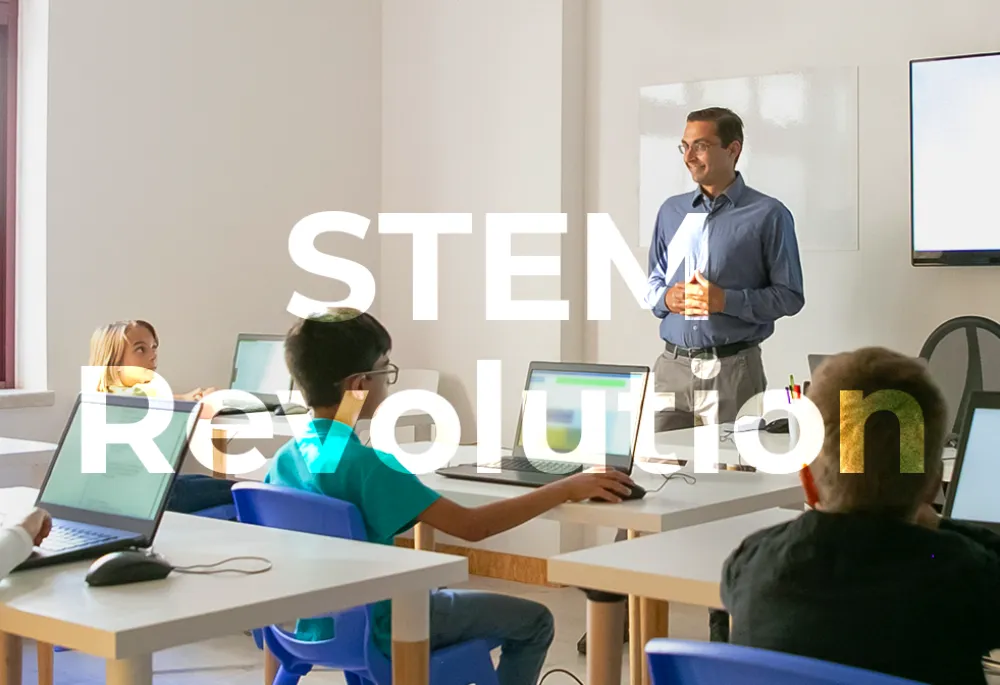
With an objective of making the learning activity a delightsome, fun and enriching experience, Yardstick has been hugely impactful. Its learning programs constitute experiential learning modules that emphasise upon making the online education immersive for children. It has been instrumental in providing interactive and hands-on curriculum.
OpenSense Labs helped Yardstick build Ylitmus that would be leveraged for managing examination for students of various grades and levels. The web application would, in turn, take care of the assessment of tests and quizzes that have been conducted both on paper and online. With the application involving intricate data structure and requiring top-notch security, Drupal made it easy to develop it.
About the project
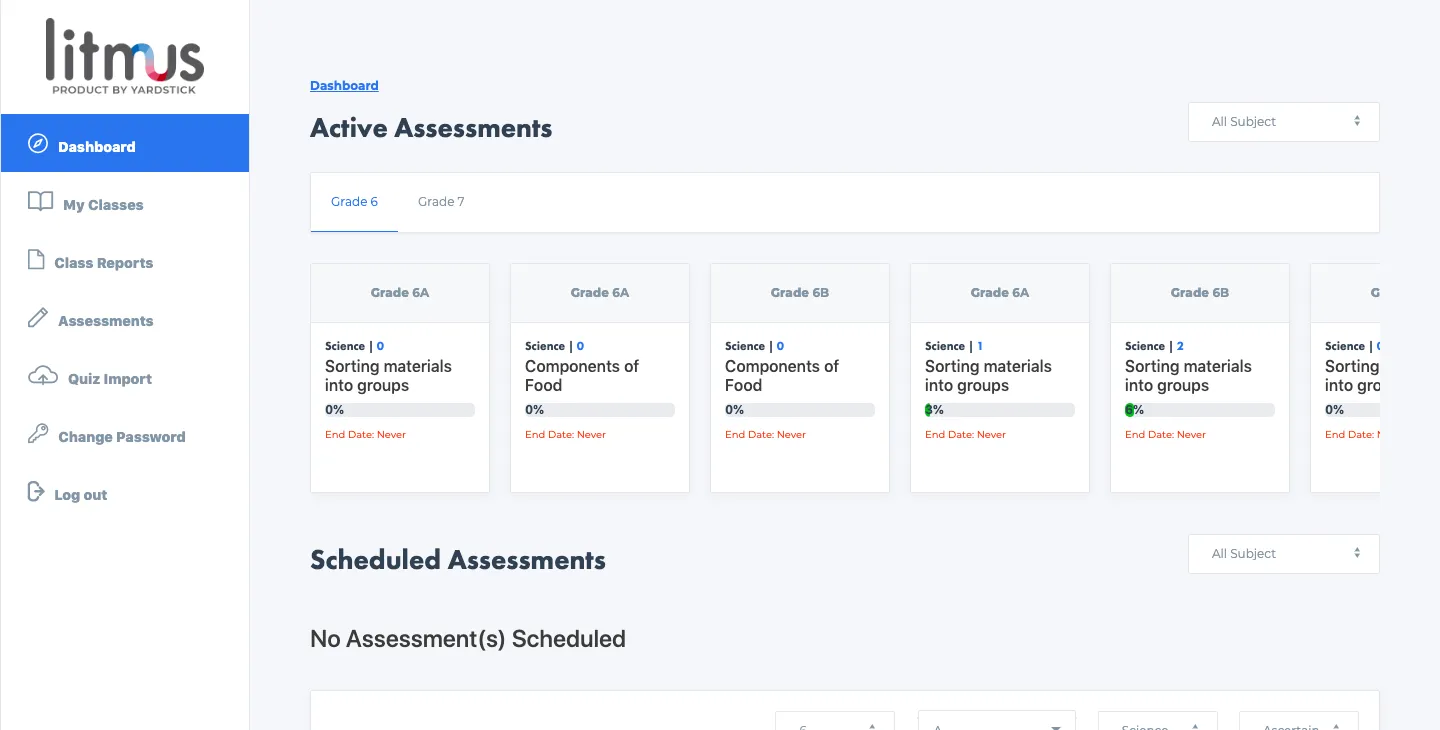
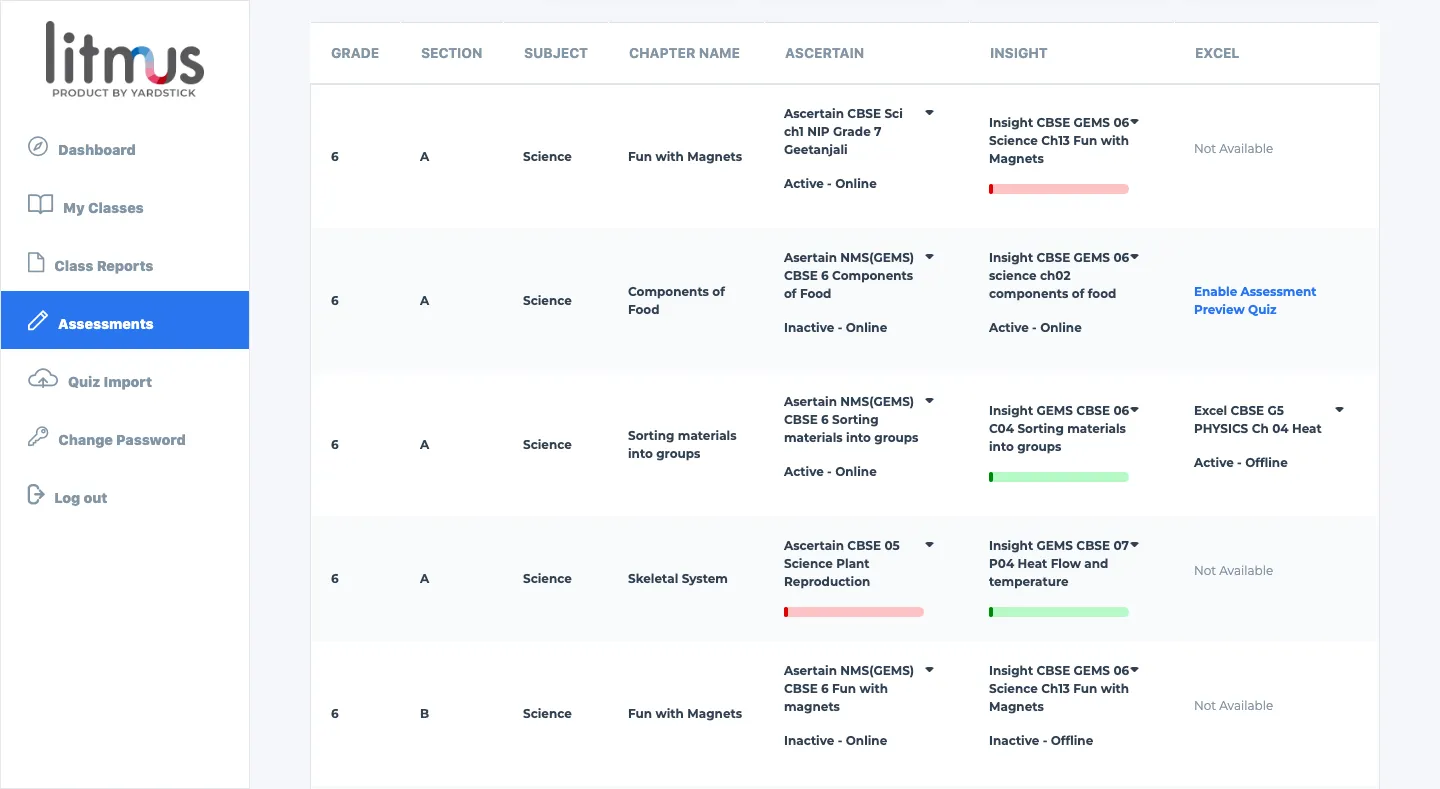
The project started out with the objective of building a Drupal-powered quiz-centric LMS that had the option of onboarding multiple schools to the same platform concurrently. Here, each school could subscribe to various ‘subjects’ and ‘assessment types’ for different grades in order to personalise the system as per their needs.
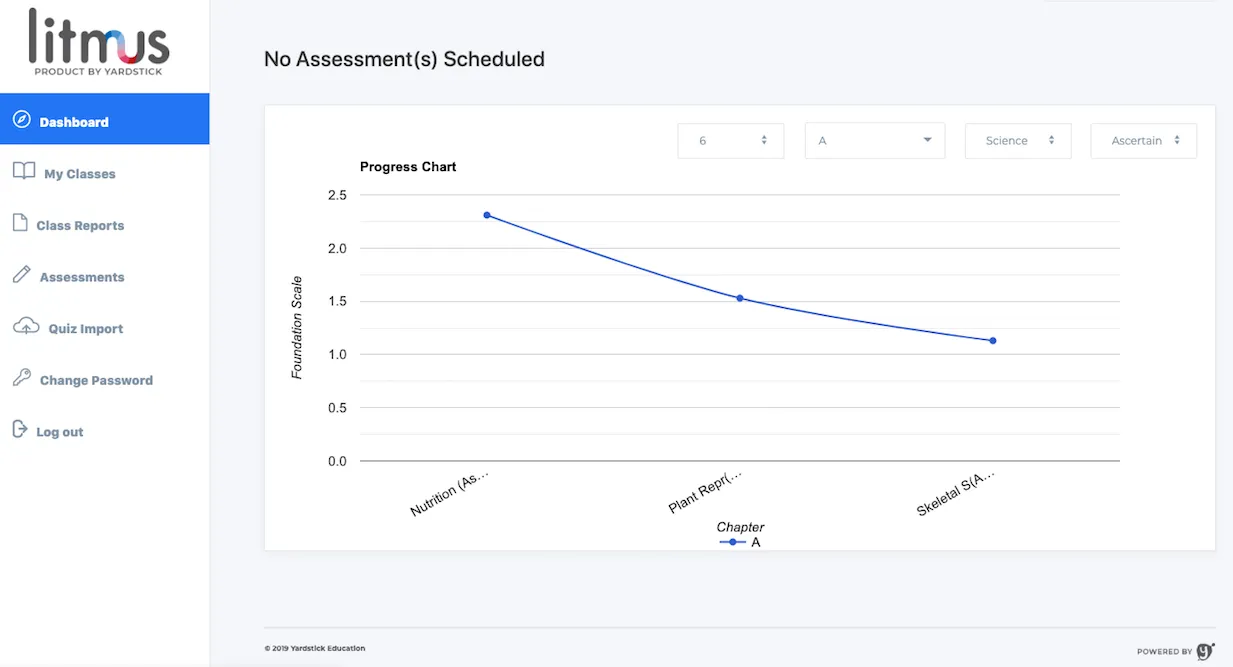
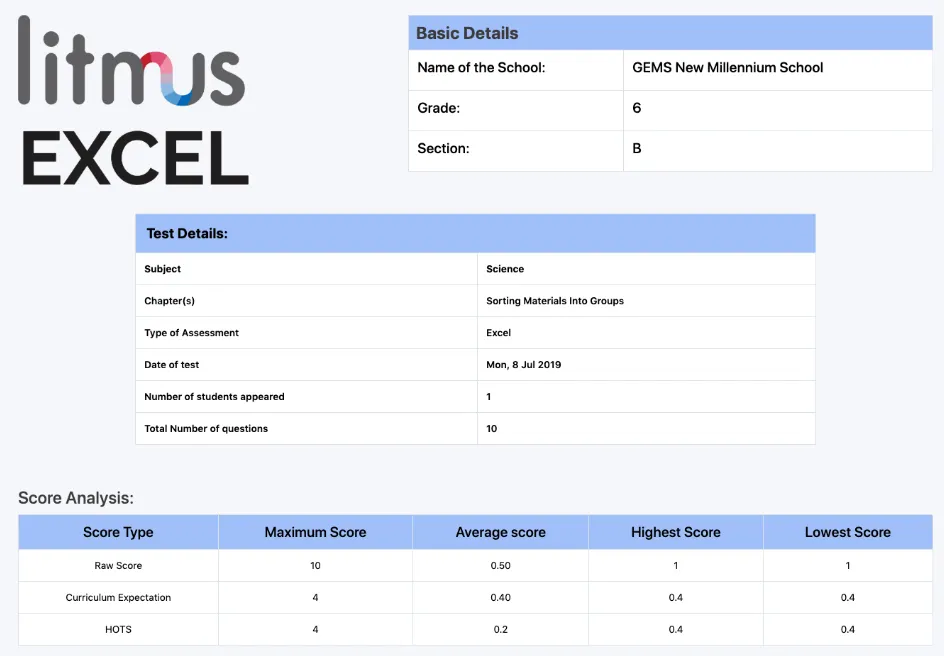
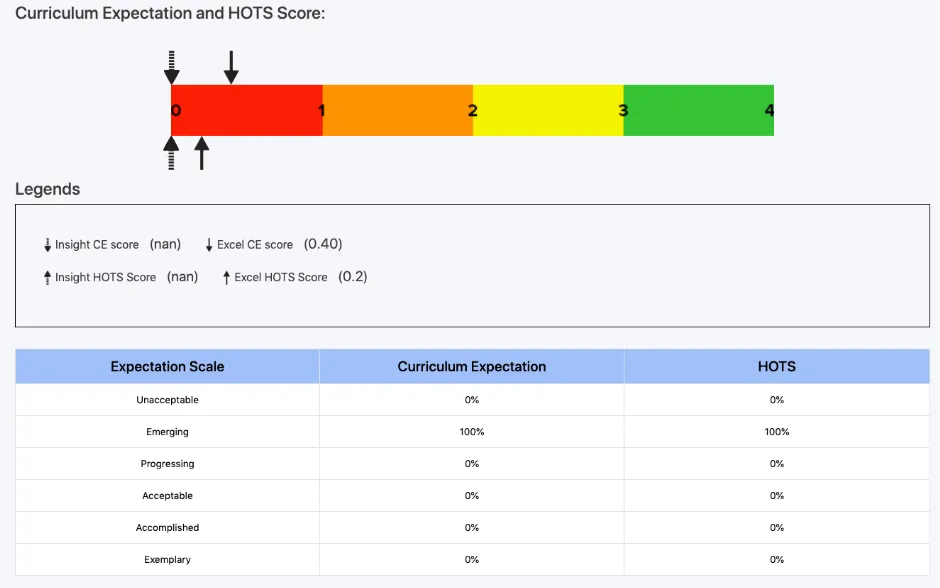
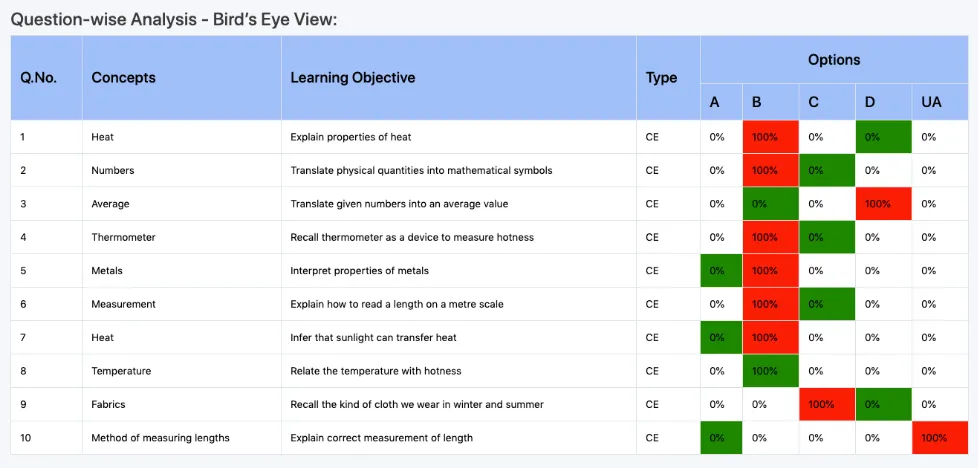
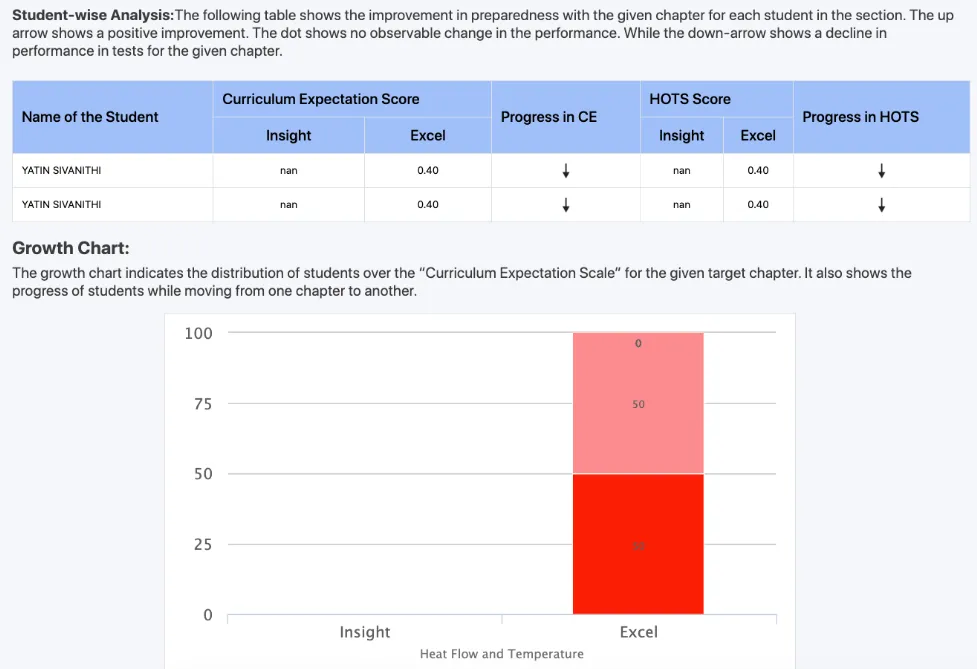
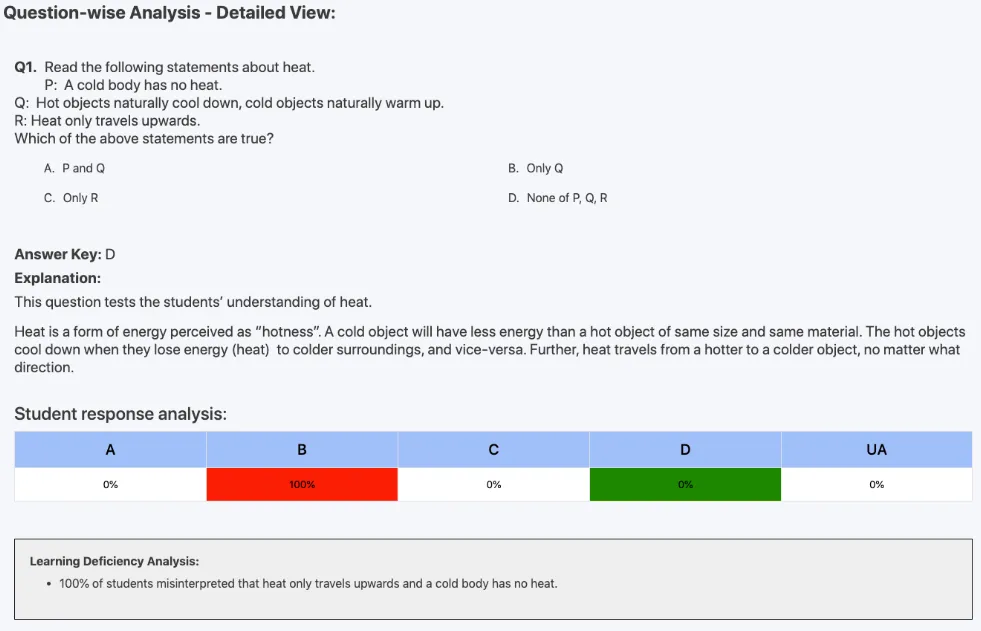
Therefore, the web application was designed in such a way that the processes like adding new questions, opting for subscriptions, conducting quizzes and generating reports for institutions are made hassle-free. The web application was also built keeping in mind the need for statistical insights for assessment of examinations conducted for all grades and subjects. The graphical representations provided insightful data to the teachers. The granularity in these reports helped them identify areas where students can improve upon and, thus, provide action points to them for further improvements.
The LMS, built on Drupal 8, had amazing roles and permissions. This intuitive quizzing platform enabled students to appear for an exam. This exam was syndicated to teachers so that they can track the student’s academic progress across various chapters. The teachers could also perform the on-paper assessments by using webcams to digitally capture a student’s response via an OMR sheet. The MCQs were created by content editors in addition to other vital metrics like learning deficiency and remedial measure that were required to generate a report. Reports, generated with the help of Charts module, were done on the basis of student’s response and highlighted their weak and strong points.
Why Drupal was chosen
- The project demanded a complex architecture. A complex data structure with multiple hierarchies of data and data access restrictions was a must-have. Drupal had the solution to all. All the real-world entities could be mapped with either node or custom entities.
- Drupal, being remarkably extensible, helped in the implementations of advanced customisations. Drupal 8 APIs like Entity API, Configuration API and Typed Data API made it easier to extend functionalities as and when needed.
- Moreover, Drupal offered a streamlined content authoring. Drupal 8 modules like Field group and Paragraphs helped in enhancing the content workflow.
- Drupal’s extraordinary provision for the management of access control with permissions and user roles was an added advantage. The ‘Students’ and ‘Teachers’ could be granted specific roles and permissions easily.
- For simplified workflow management, Drupal core had the availability of Content Moderation and Workflows that were immensely helpful.
- Drupal’s reputation of being the most scalable CMS was another factor that went in its favour. No matter how many students throng Ylitmus, it was scalable enough to meet increasing demands.
- Barrio, a Bootstrap 4 base theme in Drupal 8, ensured that the application has a responsive and mobile-first design.
- Reporting in the form of visual representations was an important feature that this project demanded. Drupal’s Charts module, with its out-of-the-box support for integration with Google chart tools, ensured that the development of reporting functionality is smooth.
- Last but not least, security was an integral part of building Ylitmus. Drupal, being the most secure CMS in the open-source CMS market, made sure that the security vulnerabilities are kept at bay.
Technical Specifications
Drupal version:
Key modules/theme/distribution used:
While Barrio theme and Charts module were used to make the web application responsive and generate visual data respectively, PDF Using mPDF8 module, that uses mPDF library for generates PDF files from UTF-8 encoded HTML, was used to convert HTML content to PDF documents.