Sector(s)
Team Members
Visit the site
Visit the siteOrganizations Involved
Community contributions
Flag module
- https://www.drupal.org/node/2917836 (Reviewing and testing a patch)
- https://www.drupal.org/project/flag/issues/2723703#comment-14007077 (Improving a stalled patch based on recommendations)
Maxlength module
https://www.drupal.org/project/maxlength/issues/3093208#comment-13853979 (Re-rolling patch for latest version)
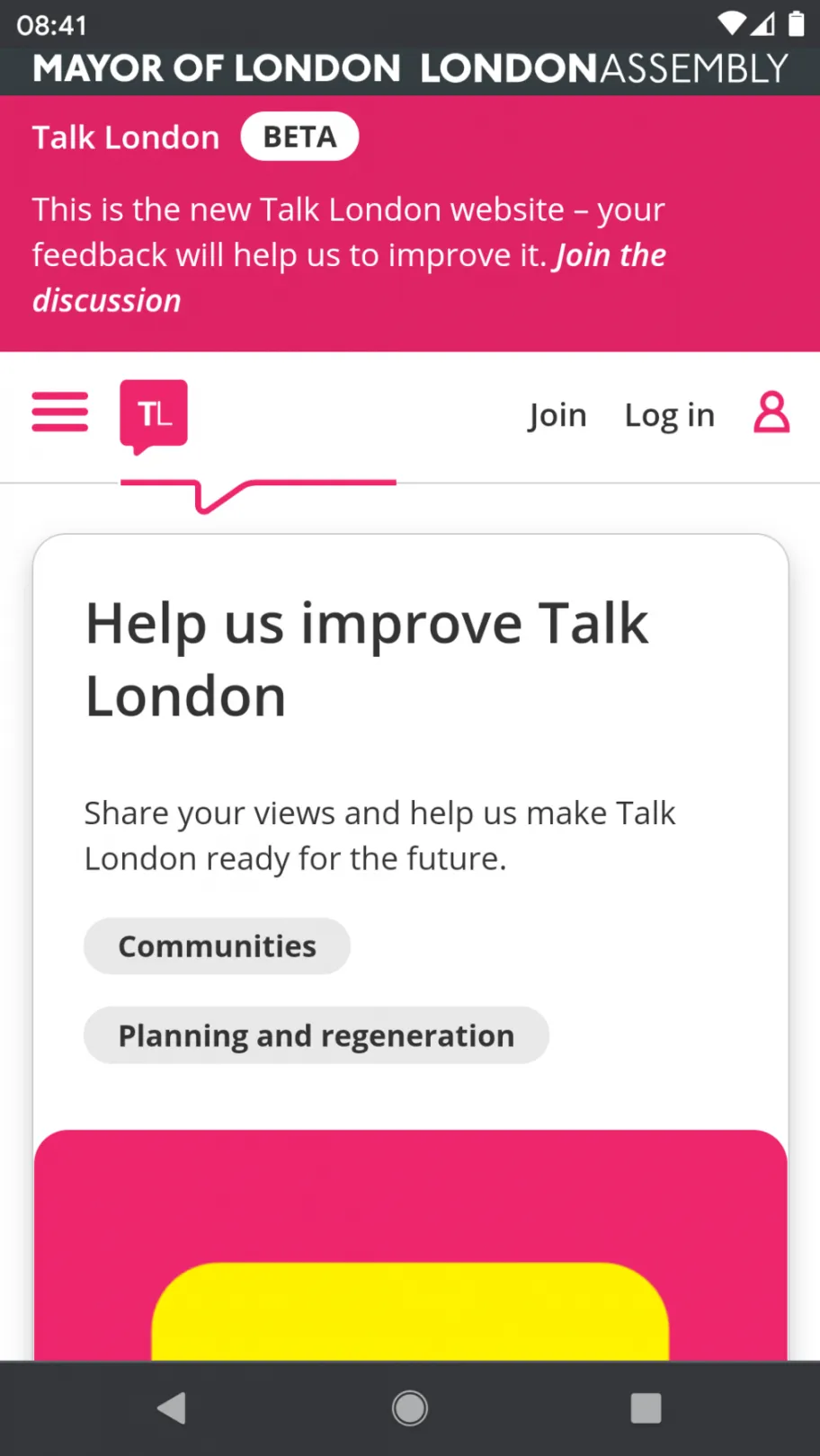
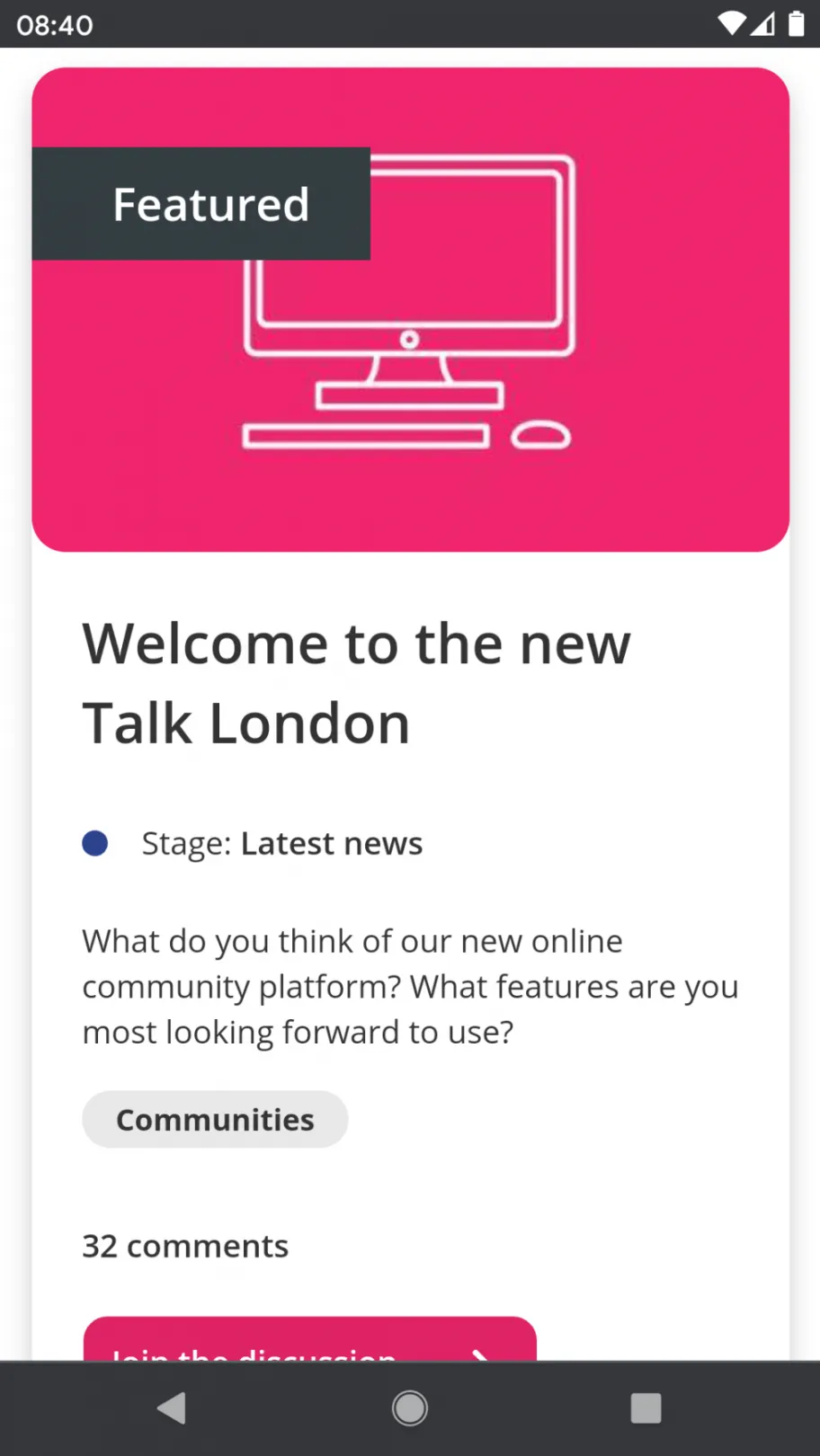
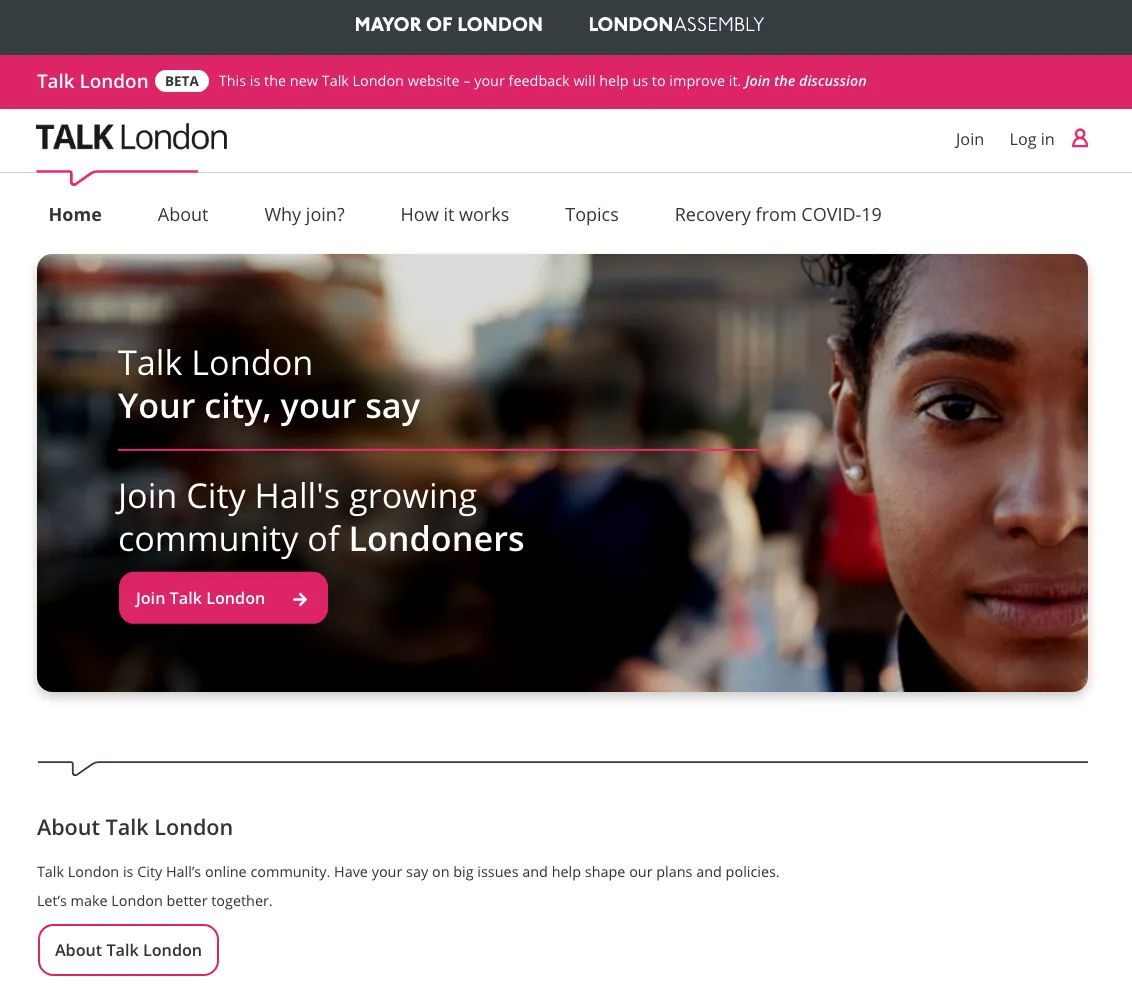
Talk London is an online community where Londoners can have their say on the city's big issues. Operated and managed on behalf of the Mayor of London by City Hall, the opinions shared through Talk London help to steer the policy decisions of the future.
Originally set up in July 2012, it has since hosted most of City Hall’s major consultations including London’s recovery from COVID-19. The platform got its last revamp in 2017 and since then the membership has grown from 38,000 in 2017 to 60,000 in 2021. The platform is a hub for crowd-sourcing ideas, raising awareness of initiatives, connecting Londoners to each other and City Hall so they can participate in designing and delivering improvements in their communities and neighbourhoods.
Talk London sits within the main Greater London Authority (GLA) website (London.gov.uk), built on Drupal 7, so the required upgrade to Drupal 8 presented the opportunity to make Talk London 3.0 easier for all Londoners to get involved in policy and programme design as well as refresh the design with an updated brand identity.
The project benefited from the work previously undertaken on the Team London website where Zoocha has migrated two legacy websites to a single Drupal 8 platform, providing the basis for the wider estate upgrade to Drupal 8/9.
About the project
The objectives and goals for Talk London 3.0 were:
- Growing a diverse membership
- Increasing participation
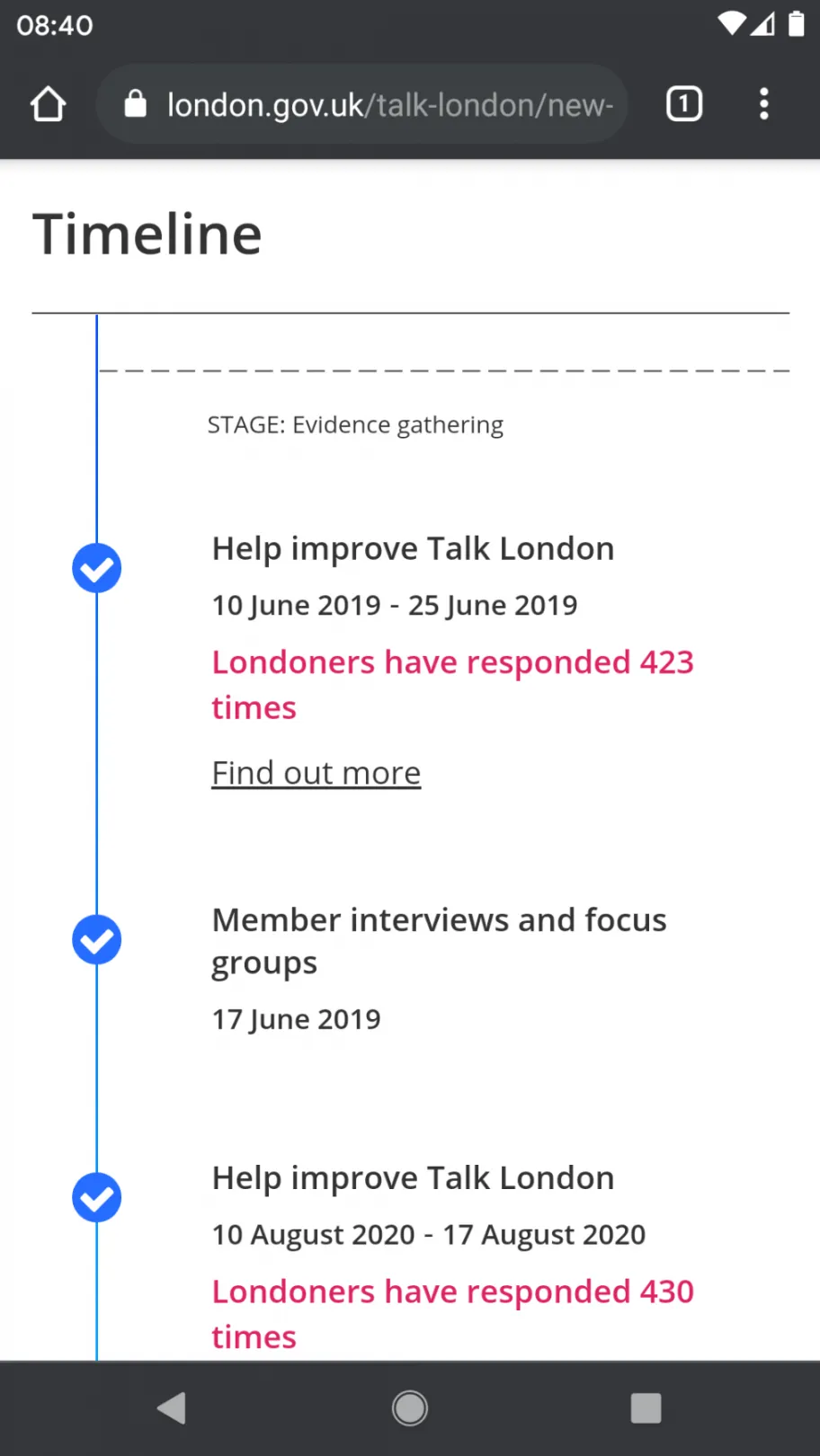
- A focus on transparency
Using an agile project management approach (Scrum), Zoocha rebuilt the Talk London website using Drupal 8, incorporating a refreshed brand execution and using a Storybook pattern library. Key functional requirements included:
- Advanced user generated content functionality
- Email notifications for end users
- Flexible content layouts for Talk London website editors
The project also required a large-scale migration of historical content from the old Drupal 7 platform to the new Drupal 8 implementation.
Talk London 3.0 launched in early March 2021 in time for the Covid-19 recovery campaign.
Why Drupal was chosen
Drupal is already a core component in the GLA technology stack, with the organisation having a long and successful track record of delivering successful digital outcomes using Drupal. Additionally, Drupal provided all the functionality required to deliver a secure and engaging online community.
A key consideration for the project was the ability to leverage the benefits of Drupal 8 to improve and enhance the functionality of the platform.
Technical Specifications
Drupal version:
Key modules/theme/distribution used:
Flag/ Flag Anon
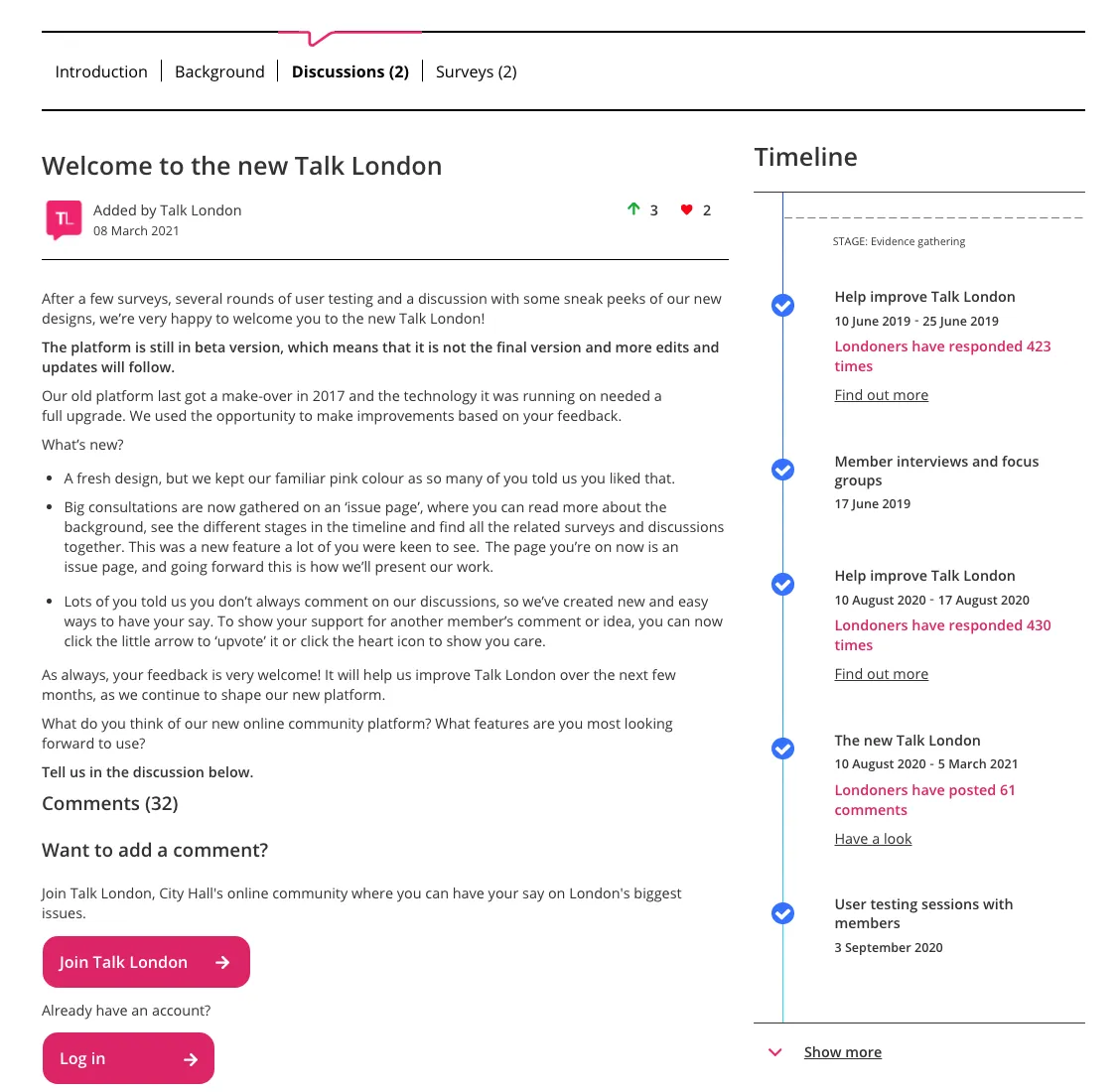
The ability for users to ‘up/down vote’ and ‘heart’ discussions/comments/ideas was a key piece of functionality for increasing participation. It allows the user to easily interact and engage with the site, when they might not want to add comments.
The flag module makes this easy to set up and apply across entity types, and gives a nice user experience out the box using the ajax links.
As a lot of the content on the site is user-created, moderation is also a key consideration. We needed to ensure Talk London administrators and editors were able to globally flag contributions for further review, as well as ensure members could report contributions at an individual level.
We used the range of flag types for this and were able to achieve the requirements. Flag module’s views integration made it simple to expose any reported/flagged items to moderators, and the event system enabled us to perform further actions when items were flagged and unflagged.
Flag anon helps to encourage sign up by showing logged out users the flags, and prompting registration when trying to use them.
Message
Message (including its stack: Message Notify, Message Subscribe & Message Digest) was used for:
- ensuring user actions are logged for analytics
- when user performs action (such as a user under 18 adding a comment) we create a message item to track this
- allowing us to add all the necessary fields to the message entity, and create templates for its display to admins/in emails
- messages also used for ‘new reply to your comment’ type emails to Talk London members (using Message Notify)
- message Digest allows members to choose how often they receive emails. Module uses the plugin system so we could add the intervals we needed
Ajax Comments
Provides a better user experience for participating in the community with very little configuration
Migrate suite of modules
- Large migration of existing content, comments, users, activity, files
- The suite of modules enabled us to write the migration without too much custom logic.
- Were also able to extend the core migration source plugins to migrate flaggings and messages
Paragraphs
- Providing Talk London’s editorial team with a lot of flexibility in how content is displayed. Including overriding individual displays on a per page basis, for example changing images in a related items section built from a view
- The paragraphs module meant we could write this functionality once, and reuse it in many components.
- Also gave a lot of control over page layouts generally, and allowed easy variation in how each component could be displayed