Sector(s)
Team Members
Project Team
- Kathy Beck – Senior UX Engineer
- John Cionci – Senior UX Engineer
- J. Hogue – Director of Design& UX
- DJ Kadamus – Digital Project Manager
- Elissa Thomas – Web Engineer
Visit the site
Visit the siteOrganizations Involved
Community contributions
- Create issue https://www.drupal.org/project/font_resize/issues/3063997
- Testing https://www.drupal.org/project/config_split/issues/2965738#comment-1321…
- Testing https://www.drupal.org/project/simple_sitemap/issues/2887373#comment-13…
- Re-roll Patch https://www.drupal.org/project/simple_sitemap/issues/2887373#comment-13…
- Testing https://www.drupal.org/project/simple_sitemap/issues/3033792#comment-13…
- Testing https://www.drupal.org/project/drupal/issues/2958588#comment-13176307
- Testing https://www.drupal.org/project/drupal/issues/3042190#comment-13191948
The strength of a solution lies in its ability to solve problems that don’t exist yet. With Ziggurat, the RISD Museum wanted a publication platform to create academic and interactive content for museum exhibitions. They got the online exhibition platform they didn’t know they needed instead.
About the project
The Brief
The RISD Museum publishes a document for every exhibition in the museum. Most of them are scholarly essays about the historical context around a body of work. Some of them are interviews with the artist or a peek into the process behind the art. Until very recently, they have not had a web component.
The time, energy, and investment in creating a print publication was becoming unsustainable. The limitations of the printed page in a media-driven culture are a large drawback as well. For the last printed exhibition publication, the Museum created a one-off web experience — but that was not scalable.
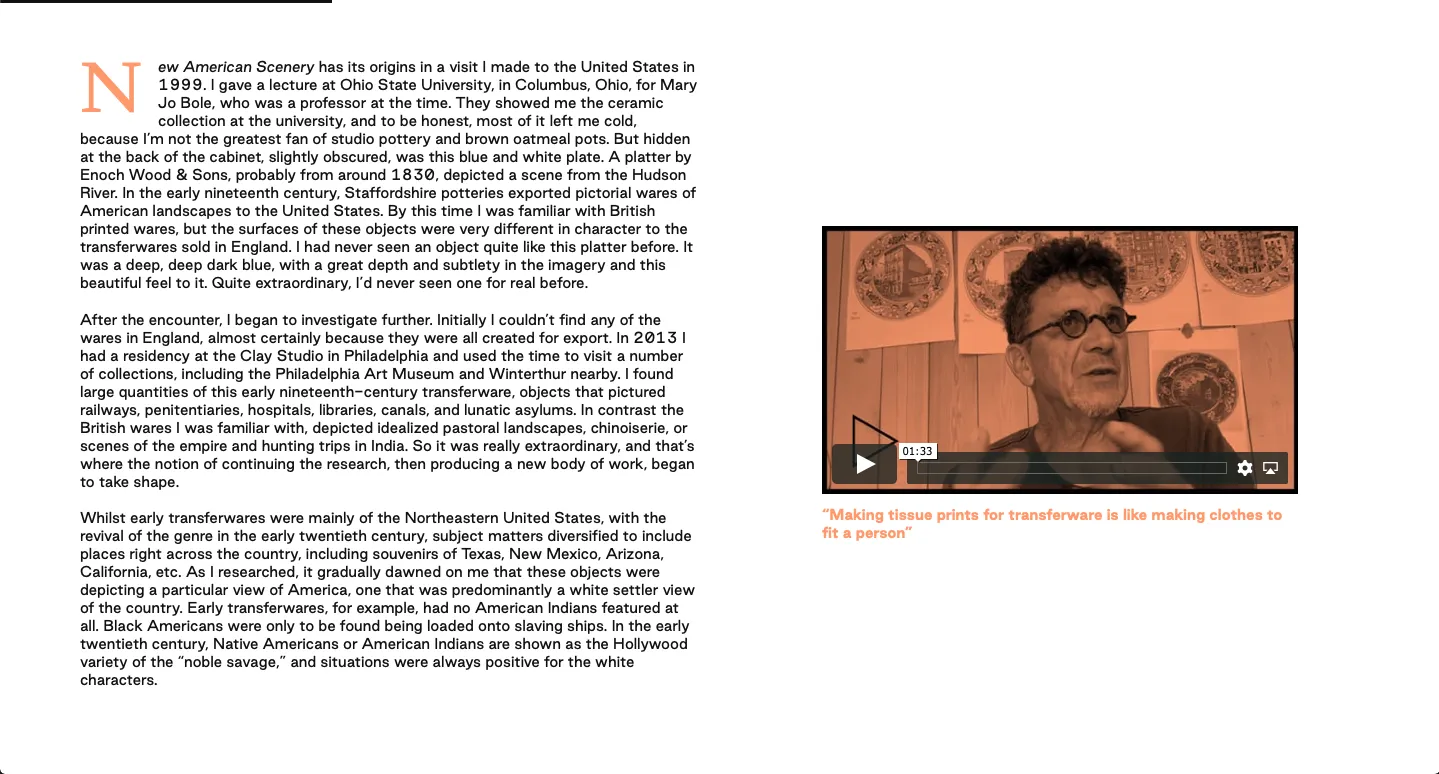
The Museum was ready for a modern publishing platform that could be a visually-driven experience, not one that would require coding knowledge. They needed an authoring tool that emphasized time-based media — audio and video — to immediately set it apart from printed publications of their past. They needed a visual framework that could scale and produce a publication with 4 objects or one with 400.
A Flexible Design System
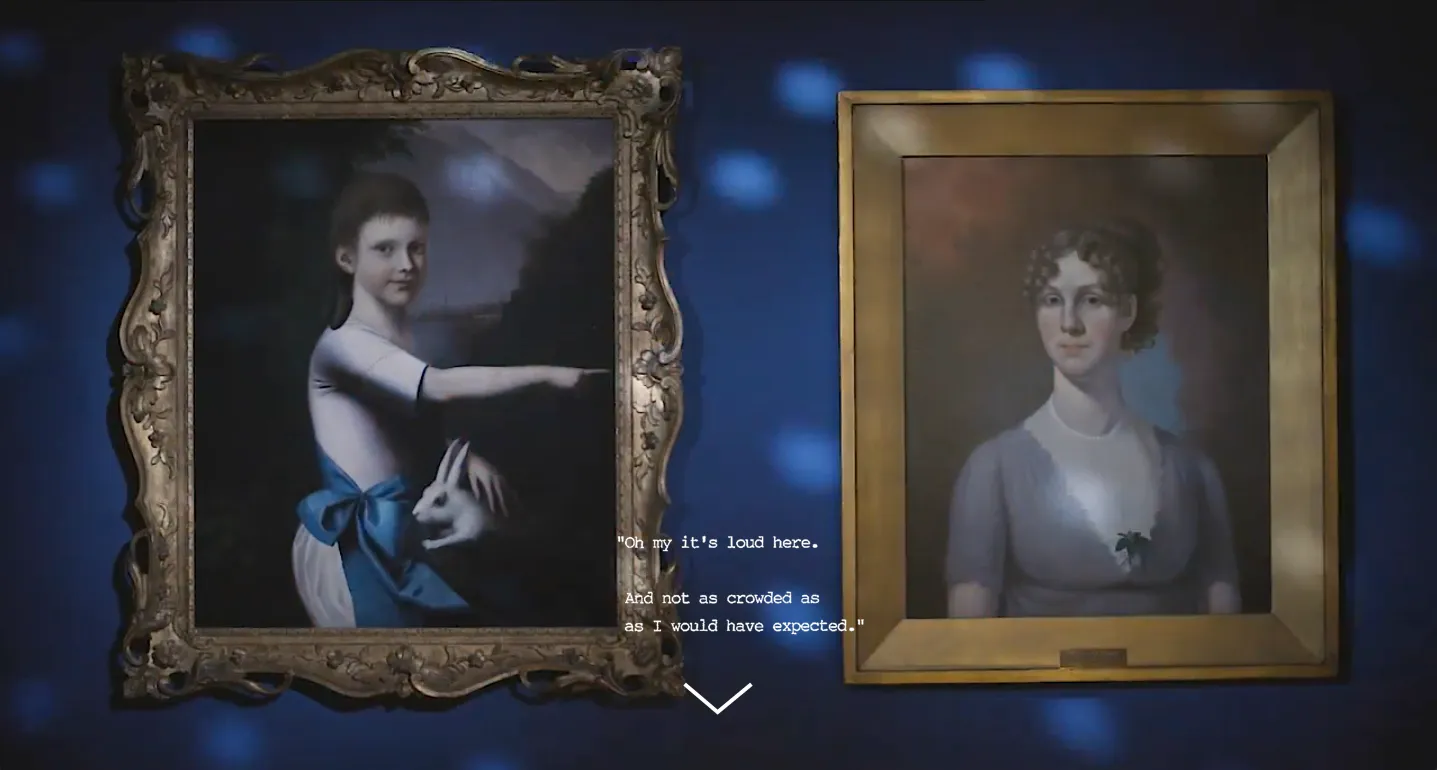
Ziggurat was born of two parents — Oomph provided the design system architecture and the programmatic visual options while RISD provided creative inspiration. Each team influenced the other to make a very flexible system that would allow any story to work within its boundaries. Multimedia was part of the core experience — sound and video are integral to expressing some of these stories.
The process of talking, architecting, designing, then building, then using the tool, then tweaking the tool pushed and pulled both teams into interesting places. As architects, we started to get very excited by what we saw their team doing with the tool. The original design ideas that provided the inspiration got so much better once they became animated and interactive.
Design/content options include:
- Multiple responsive column patterns inside row containers
- Additionally, text fields have the ability to display as multiple columns
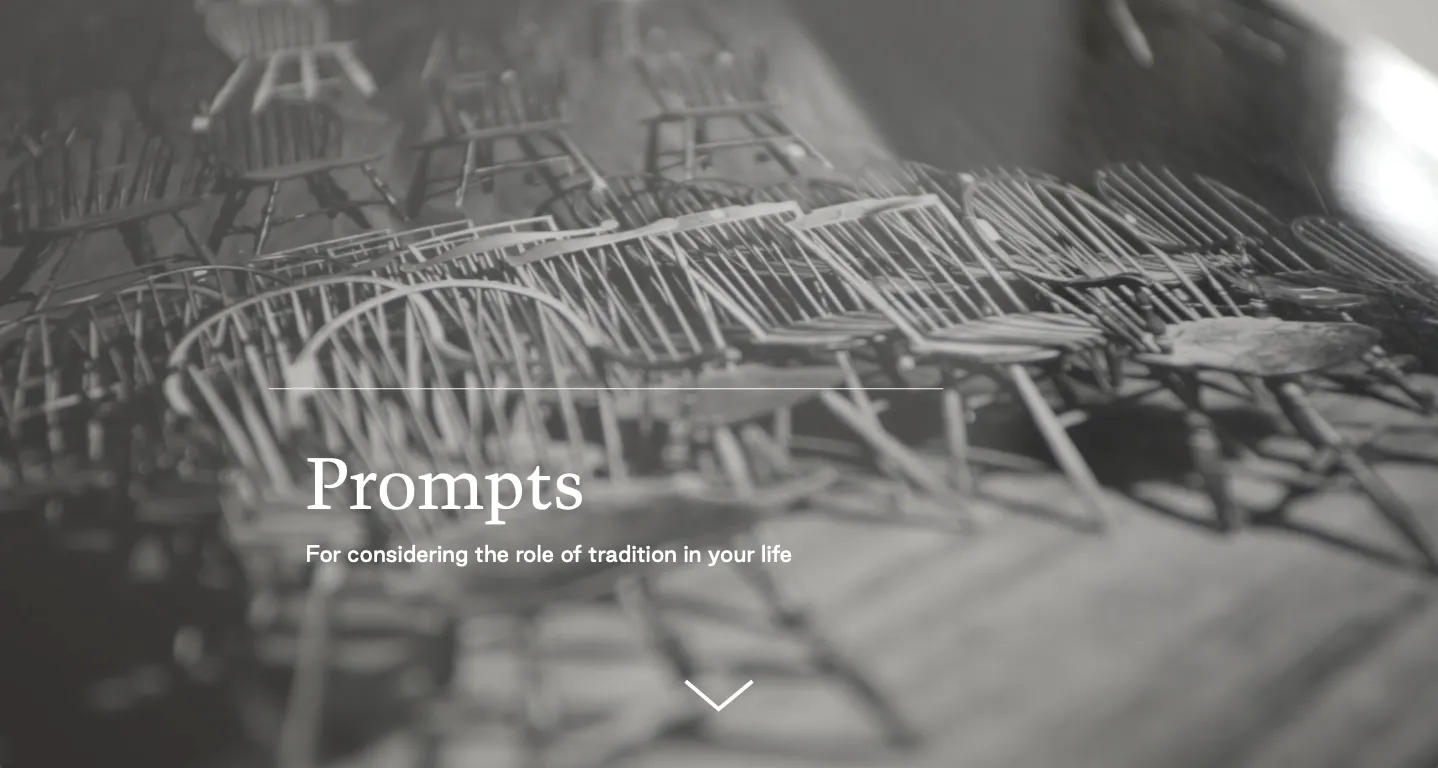
- “Hero” rows where an image is the primary design driver, and text/headline is secondary. Video heroes are possible
- Up to 10-colors to be used as row backgrounds or text colors
- Choose typefaces from Google Fonts for injection publication-wide or override on a page-by-page basis
- Rich text options for heading, pull-quotes, and text colors
- Video, audio, image, and gallery support inside any size container
- Video and audio player controls in a light or dark theme
- Autoplaying videos (where browsers allow) while muted
- Images optionally have the ability to Zoom in place (hover or touch the image to see the image scale by 200%) or open more details in a modal
- A “sticky” mode for elements that keep them stuck to the top of the viewport when scrolled into view
- Animation options when elements scroll into the viewport
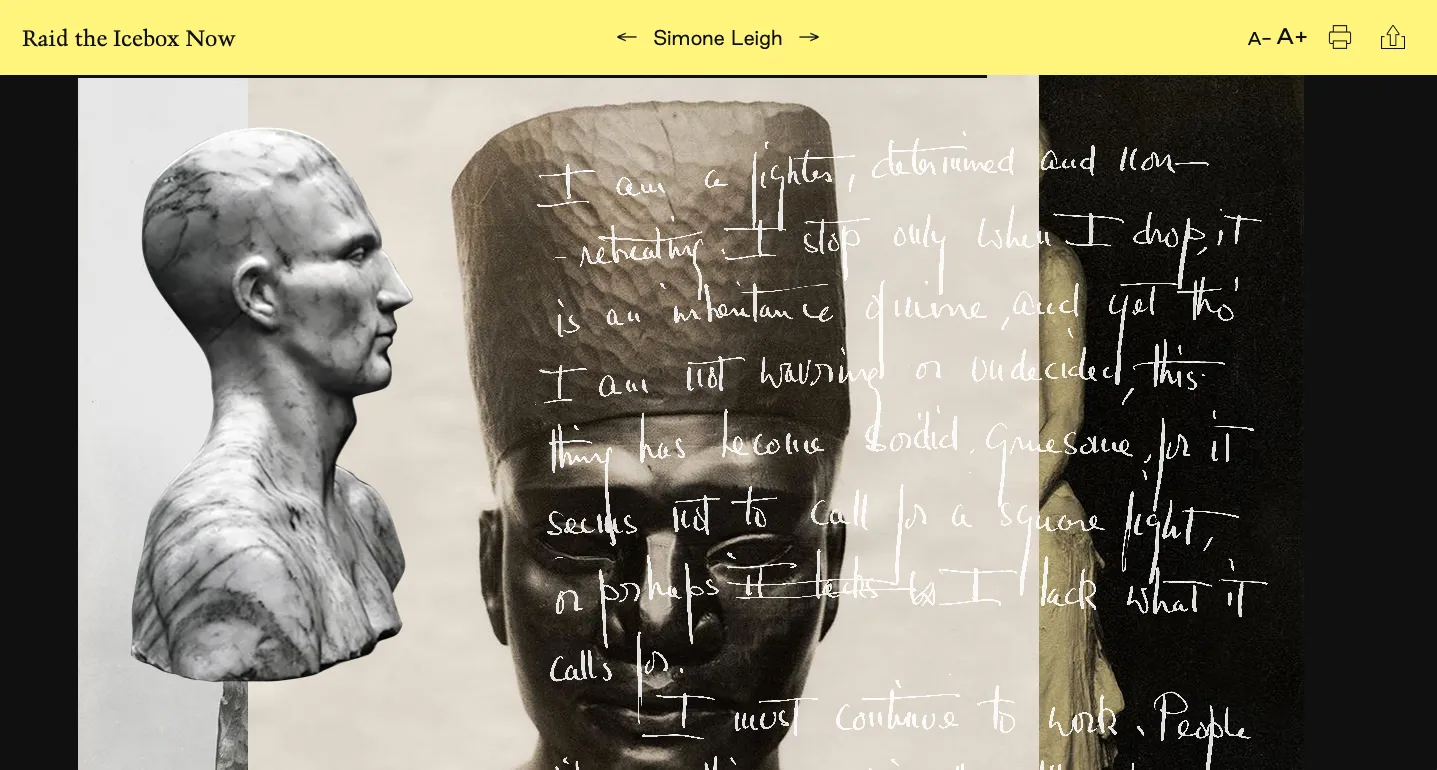
There are 8 chapters total in [RAID the Icebox Now](https://publications.risdmuseum.org/raid-icebox-now/) and four supporting pages. For those that know library systems and scholarly publications, notice the Citations and credits for each chapter. A few liberally use the footnote system. Each page in this publication is rich with content, both written and visual.
Rapid Response: An Unexpected Solution to a New Problem
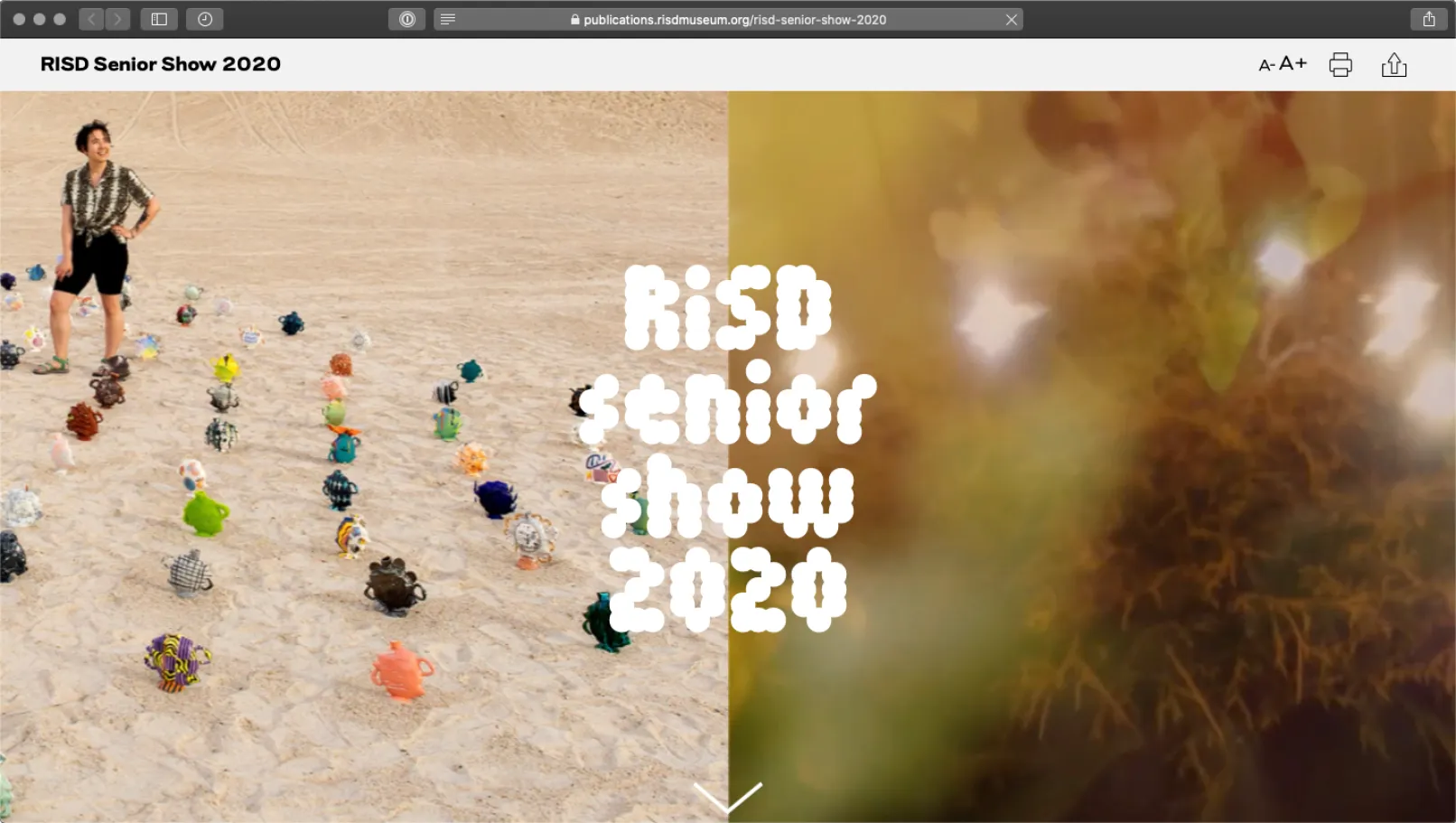
The story does not end with the first successful online museum publication. In March of 2020, COVID-19 gripped the nation and colleges cut their semesters short or moved classes online. Students who would normally have an in-person end-of-year exhibition in the museum no longer had the opportunity.
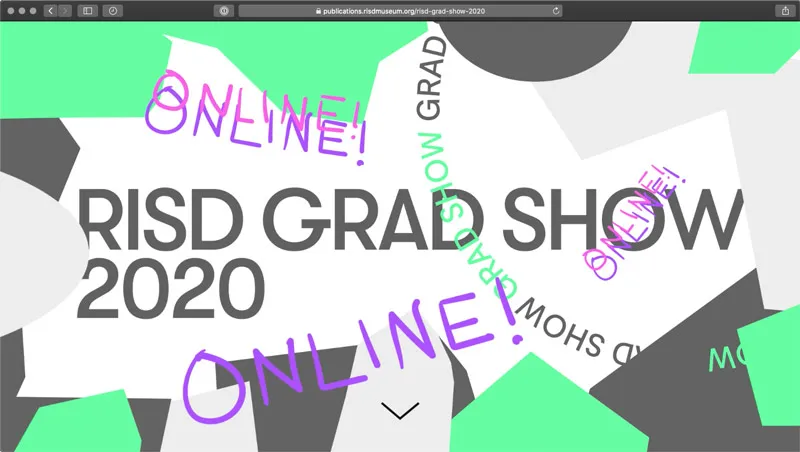
Spurred on by the Museum, the university invested in upgrades to the Publication platform that could support 300+ new authors in the system (students) and specialized permissions to limit access only to their own content. A few new features were fast-tracked and an innovative ability for some authors to add custom javascript to Department landing pages opened the platform up for experimentation. The result was two online exhibitions that went into effect 6 weeks after the concepts were approved — one for 270+ graduate students and one for 450+ undergraduates.
This site was a Webby Award nominee in the category of Website/Art, 2020
Video of one of the chapters (NSFW): youtube.com/embed/9qGu3zgOXXk
Why Drupal was chosen
Drupal was chosen first and foremost for it’s large community and the system’s overall flexibility. The RISD Museum was also committed to using an open-source solution for this platform. That vision was a driving factor for this project and guided many of our choices during development. Drupal was the right choice because this client wanted an open-source, community-focused system that would provide scalability.
Technical Specifications
Drupal version:
Key modules/theme/distribution used:
The goal of this project was to give creatives as much flexibility to be creative. With the addition of Layout Builder in Drupal 8 it was a no brainer that we needed to utilize this functionality to make content creation as seamless and effortless as possible. So goal one was to make the system as easy as possible to create creative content. Check! Another underlying goal and part of the long term strategy with this project was to make this a platform that multiple publications and some day other organizations could use. Every choice was made through those two lenses. How can we make it easy for creatives and how can we allow this to support a community. Based on those we landed with the above list of modules.