Sector(s)
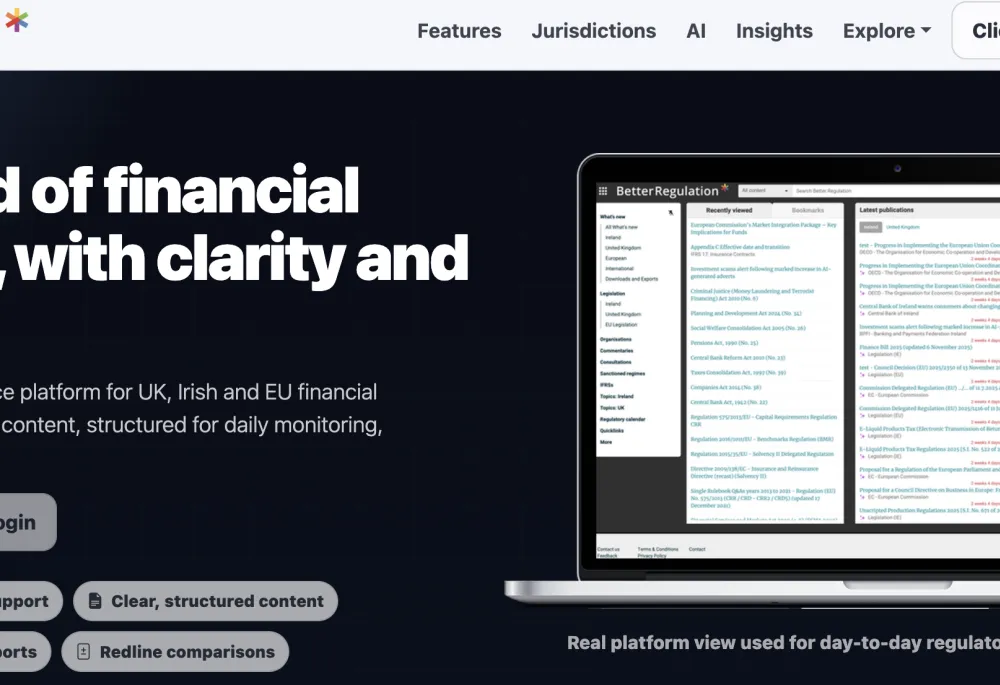
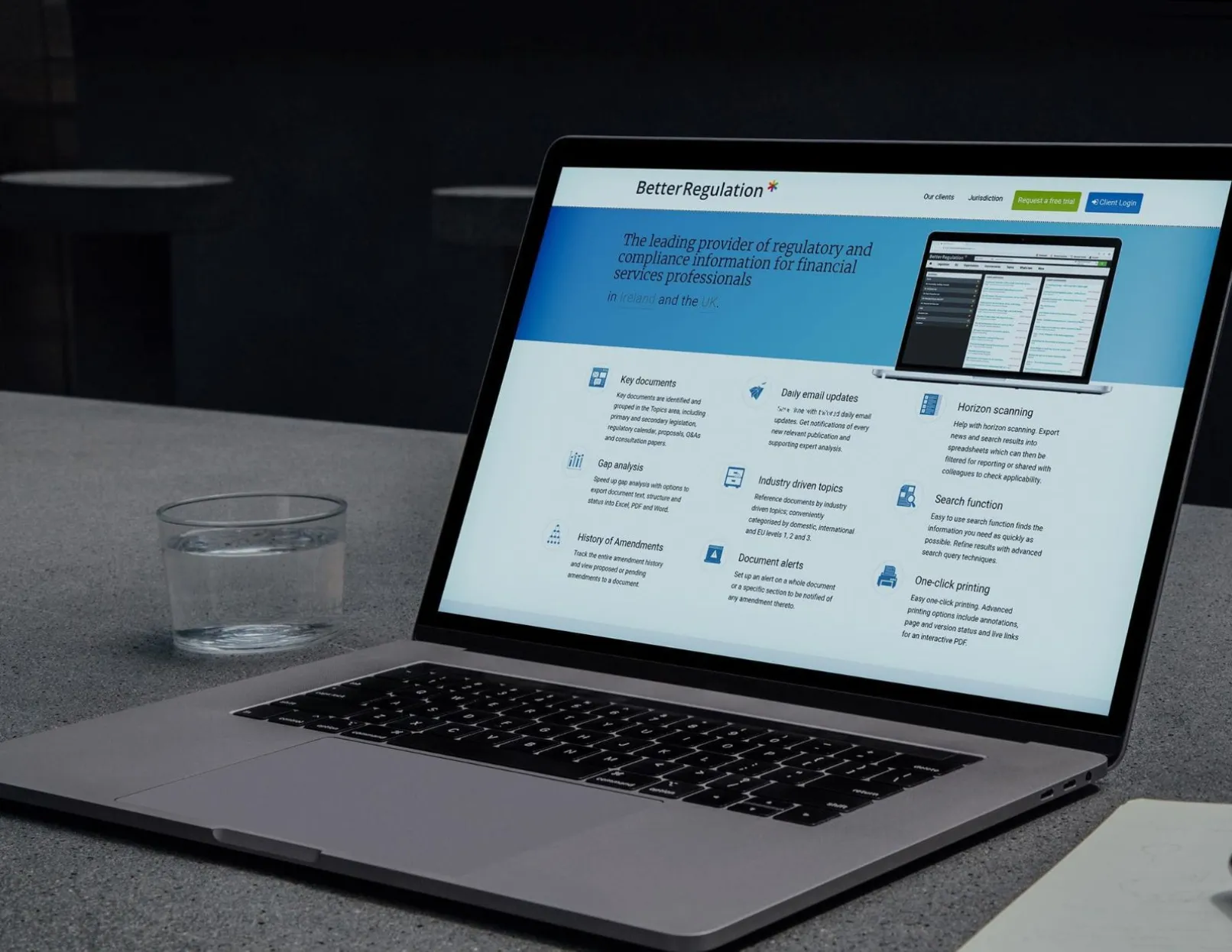
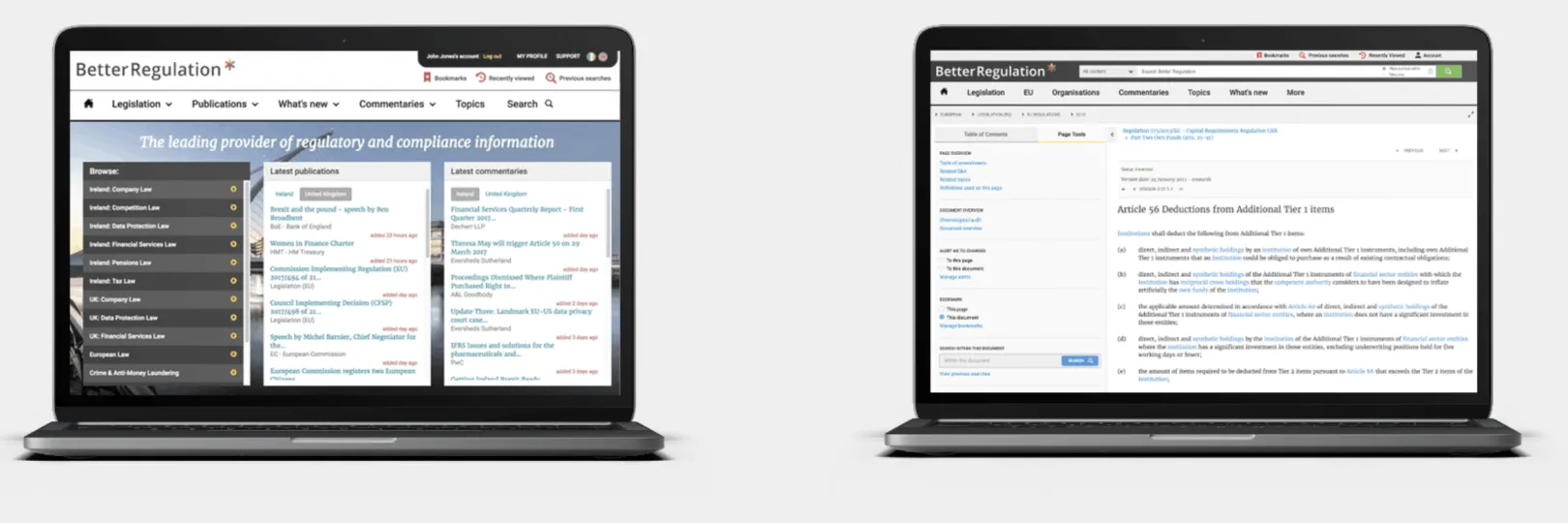
BetterRegulation.com is a subscription compliance platform used by legal, compliance, and finance teams at large organizations across the UK and Ireland since 2004. The site catalogs formal legal documents, tracks amendments, and alerts subscribers when regulations they follow change.
Starting in 2015, the platform was rebuilt on Drupal to replace a legacy system while editors kept publishing. The ongoing engagement combines large-scale migration, custom Drupal extensions, and AWS infrastructure that supports thousands of documents, complex search, and high-volume email alerts.
About the project
BetterRegulation.com serves legal, compliance, and finance teams at large organizations across the UK and Ireland. Subscribers catalog and monitor formal legal documents, track amendments, and depend on timely alerts when regulations they follow change. Starting in 2015, the platform was rebuilt on Drupal to replace a legacy system while editors kept publishing daily.
Challenge
The platform needed to:
- Replace a legacy system with minimal disruption for editors already working in production.
- Migrate a large structured dataset and relationships in one coordinated move.
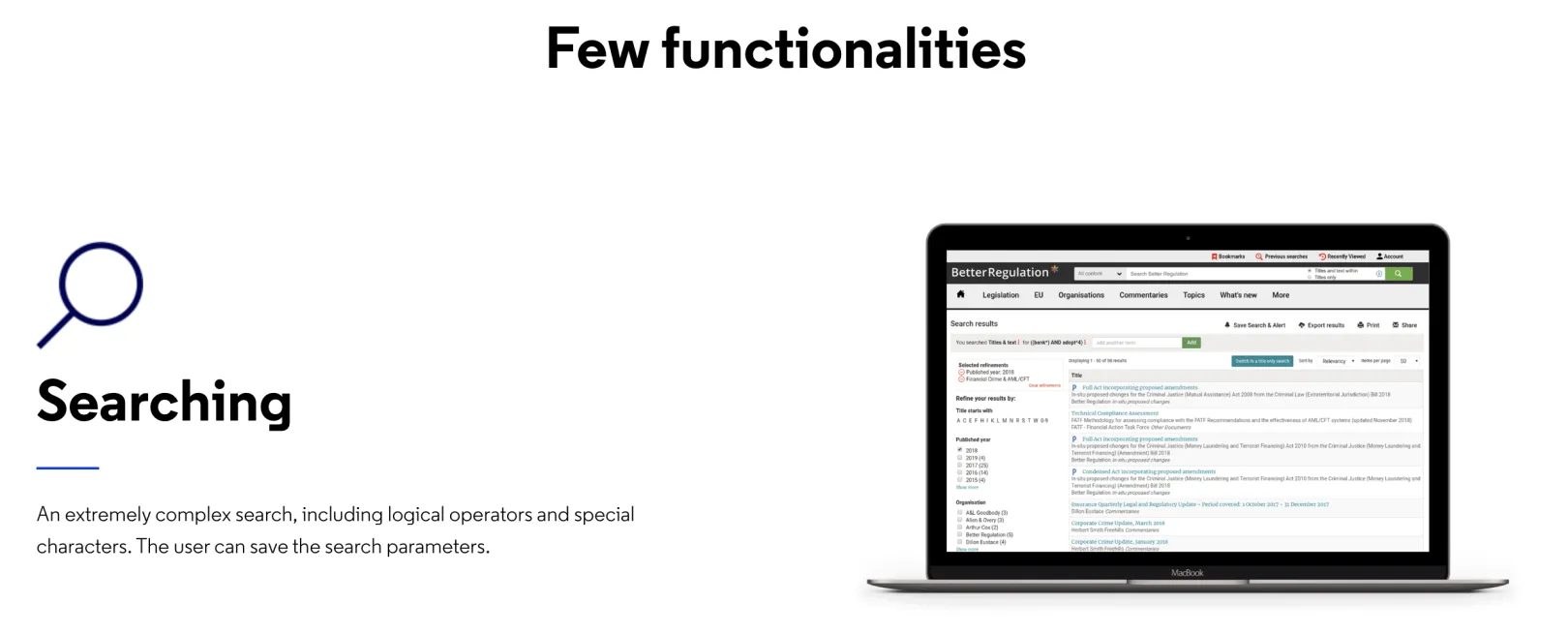
- Support advanced search with logical operators, saved queries, and export to Excel and Word.
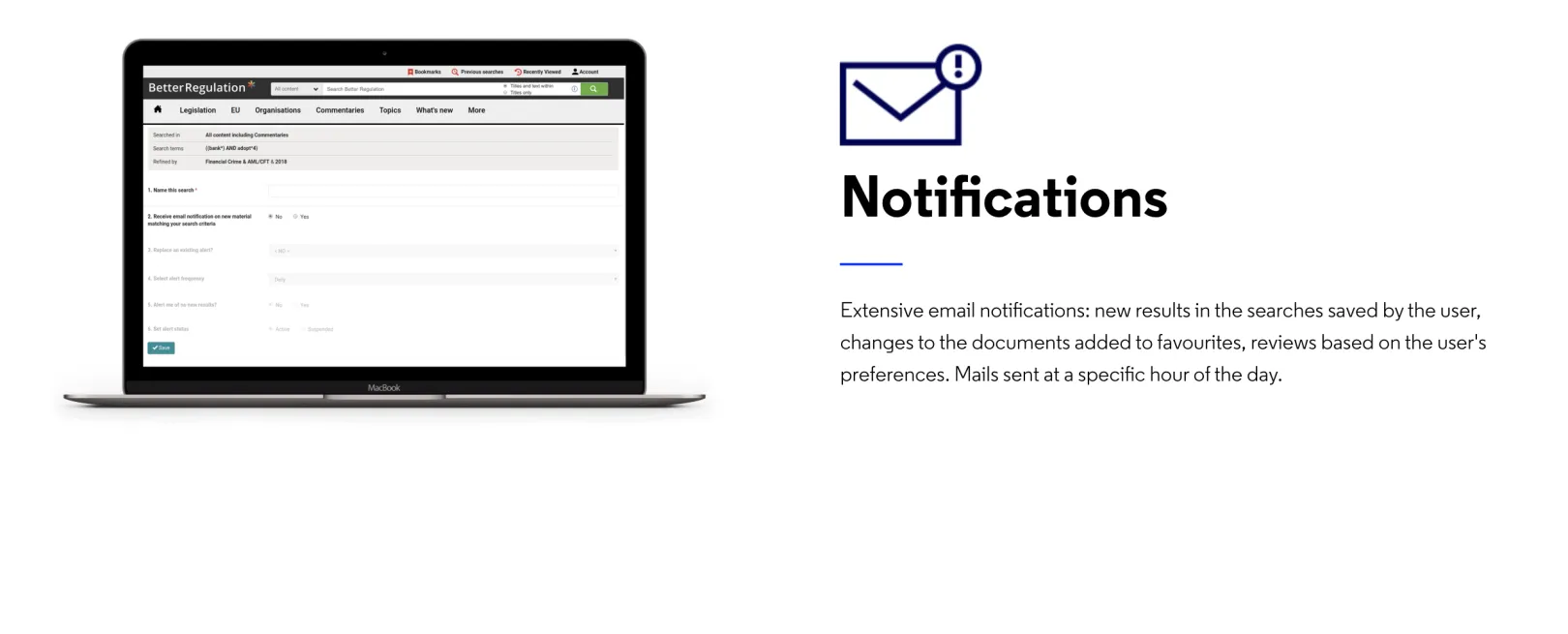
- Deliver scheduled and event-driven email alerts when saved searches or watched documents change.
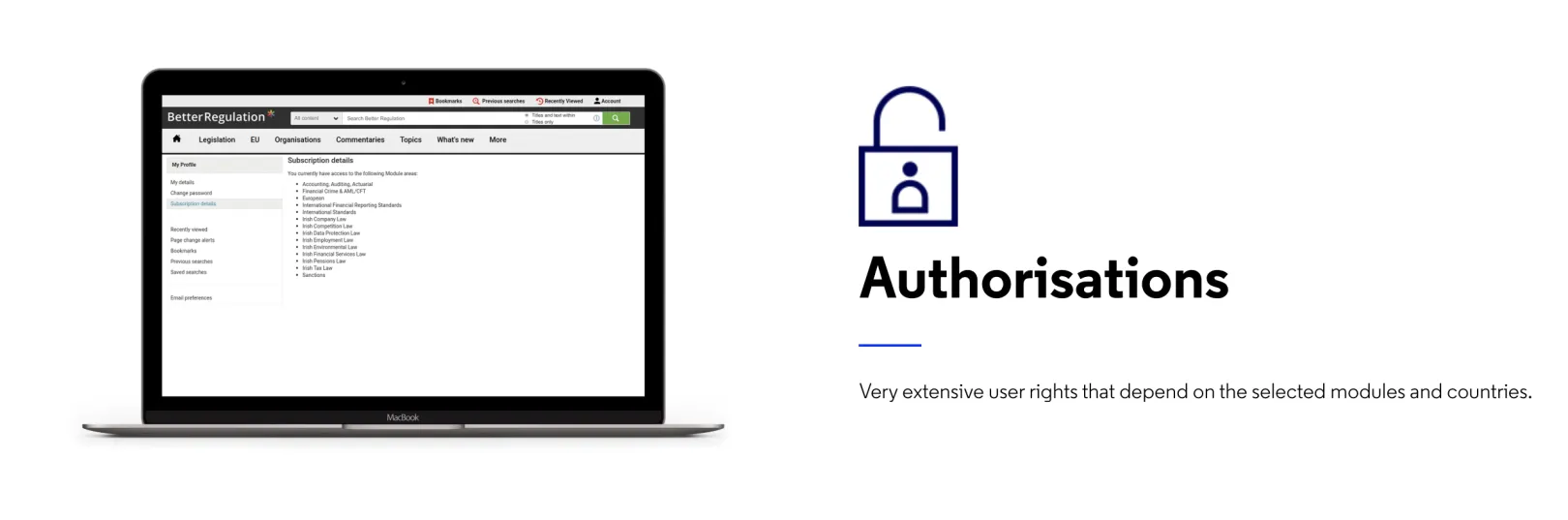
- Enforce module- and country-specific permissions across a complex subscription model.
- Stay reliable on large data volumes with observability, automated tests, and scalable hosting.
Solutions
Parallel migration and continuous delivery
Editors moved to Drupal immediately after migration and core admin tools shipped, while new capabilities rolled out in parallel without blocking daily publishing. Branch-based releases with QA on production-like staging kept risk low even when features shipped weekly or faster during early rollout.
Solr-backed search through Search API
Apache Solr powers complex queries with logical operators and special characters. Subscribers save search parameters, revisit them later, and export result sets. Node.js WebSockets push real-time notifications when new records match watched criteria.
High-volume notifications on RabbitMQ
RabbitMQ queues batch outbound email: saved-search digests, favorites changes, and preference-based reviews sent at scheduled times each day. More than 25 Docker containers on AWS handle email generation, link crawling, and HTML, PDF, and DOC regeneration separately from the Drupal web tier.
Editorial scale with Views Bulk Operations
Fine-grained Drupal roles gate content by subscribed modules and countries. Views Bulk Operations lets editors update many documents at once across numerous content types and fields. A background crawler flags broken links inside document bodies. Marketing previews expose limited document content to non-logged visitors.
Quality and observability
Codeception and Selenium run before each release. New Relic, Blackfire, and Zabbix monitor application and server health. Evening weekly production releases follow client approval on staging.
Result
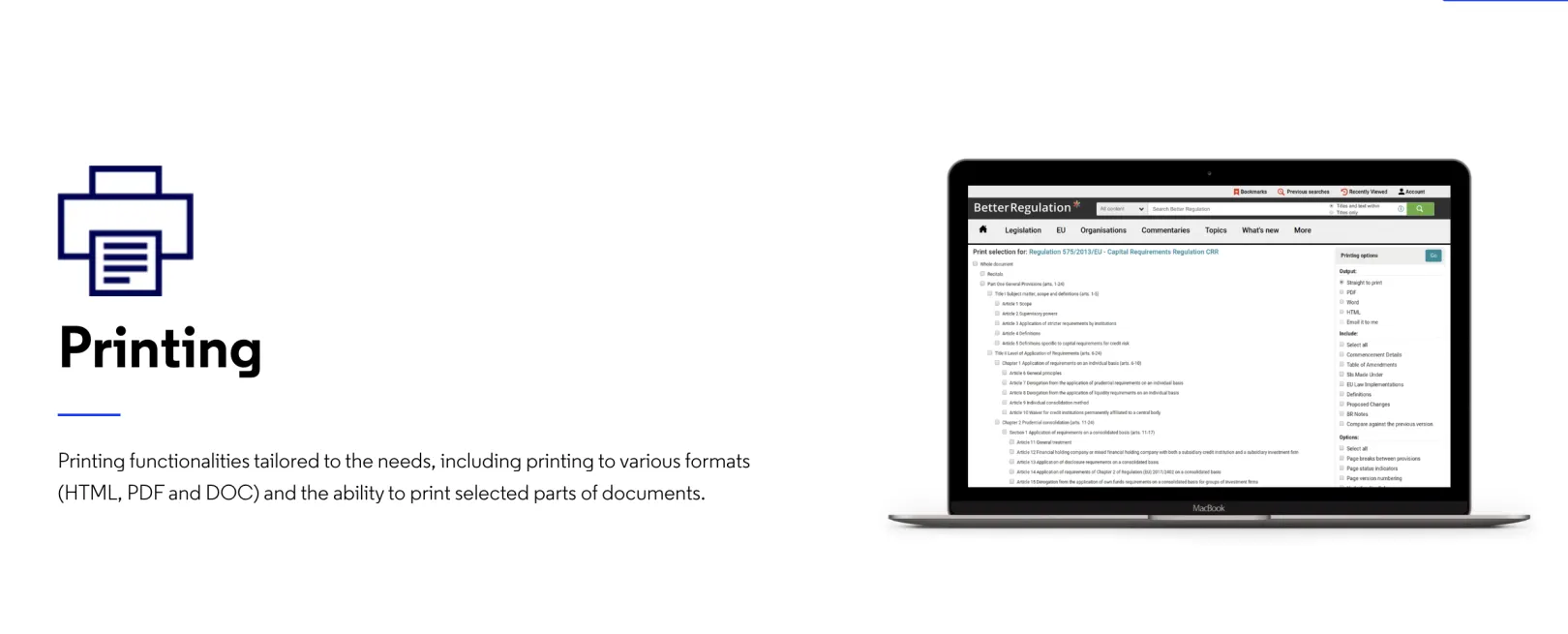
Since 2015 the platform has absorbed shifting requirements through iterative Drupal development without replatforming. Editors manage thousands of documents with bulk tools and structured content types. Subscribers search, export, print selected sections, and receive reliable alerts. Real-time and scheduled notifications coexist with print paths to HTML, PDF, and DOC.
Examples of implemented features:
- Solr-powered search with saved parameters and logical operators.
- Scheduled and event-driven email notifications at high volume.
- Views Bulk Operations for mass document updates across many fields.
- Module- and country-scoped subscriber permissions.
- Multi-format printing and partial document export.
- Link validation crawler and gated marketing previews for visitors.
- AWS and Docker microservices with 25+ containers supporting background processing.
Why Drupal was chosen
Legal and financial organizations need traceable regulatory content, granular access control, and reliable change alerts at scale. Replacing the CMS would have meant rebuilding years of structured documents, editorial workflows, and subscriber features in one risky cutover.
Drupal's entity model, field system, and permission framework support document-centric content with module- and country-based access rules. Search API with Apache Solr, Views Bulk Operations, and custom extensions integrate through Drupal as the editorial hub, while Docker containers on AWS handle background jobs such as email generation and file regeneration. The platform has upgraded across Drupal major versions while preserving subscriber data and editor workflows.
Technical Specifications
Drupal version: