Sector(s)
Team Members
Visit the site
Visit the siteOrganizations Involved
Community contributions
Contribution to the following patches
Drupal Core
https://www.drupal.org/node/3091740
Conditional Fields
https://www.drupal.org/node/2902164
Entity Share
https://www.drupal.org/node/3435852
https://www.drupal.org/node/3419256
Google Analytics
https://www.drupal.org/node/2917905
LinkedIn Insights Tag
https://www.drupal.org/node/3217810
Paragraphs
https://www.drupal.org/node/3158775
SEO Pager
https://www.drupal.org/node/3442639
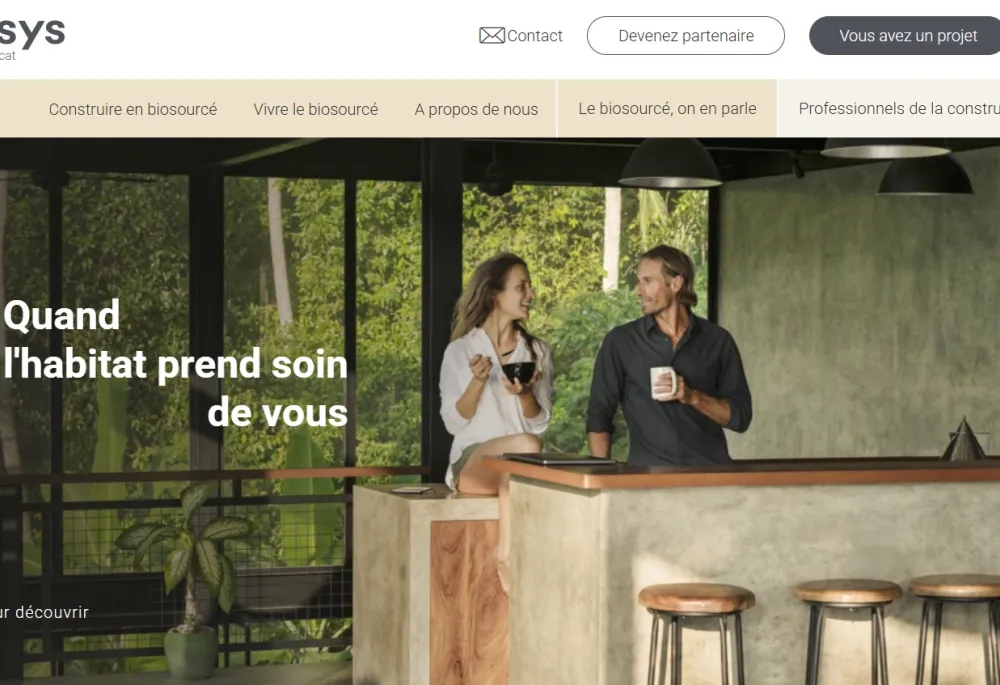
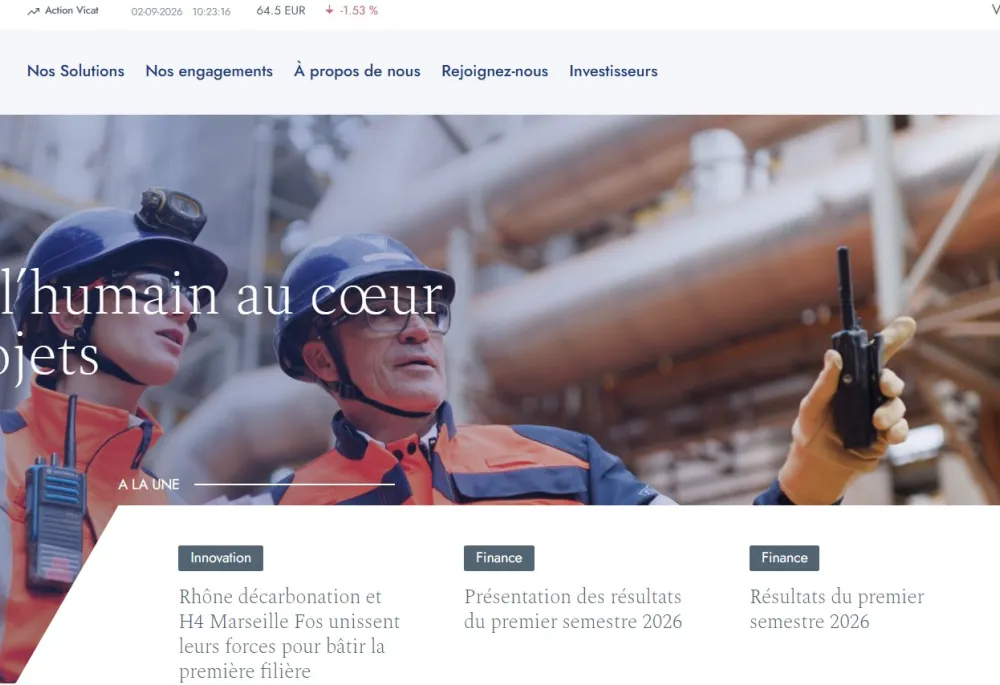
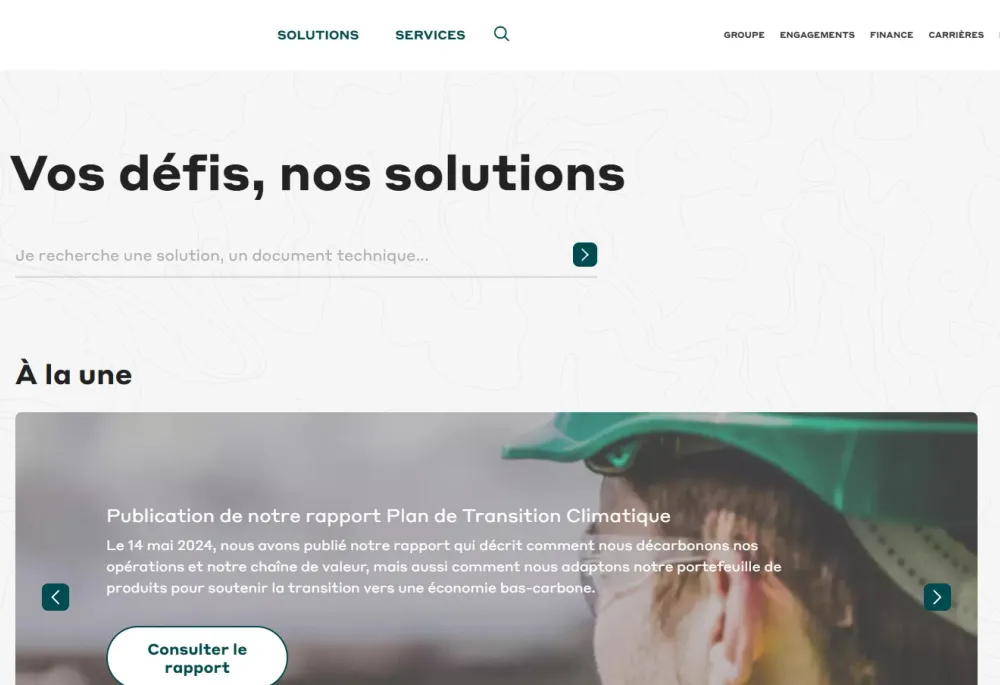
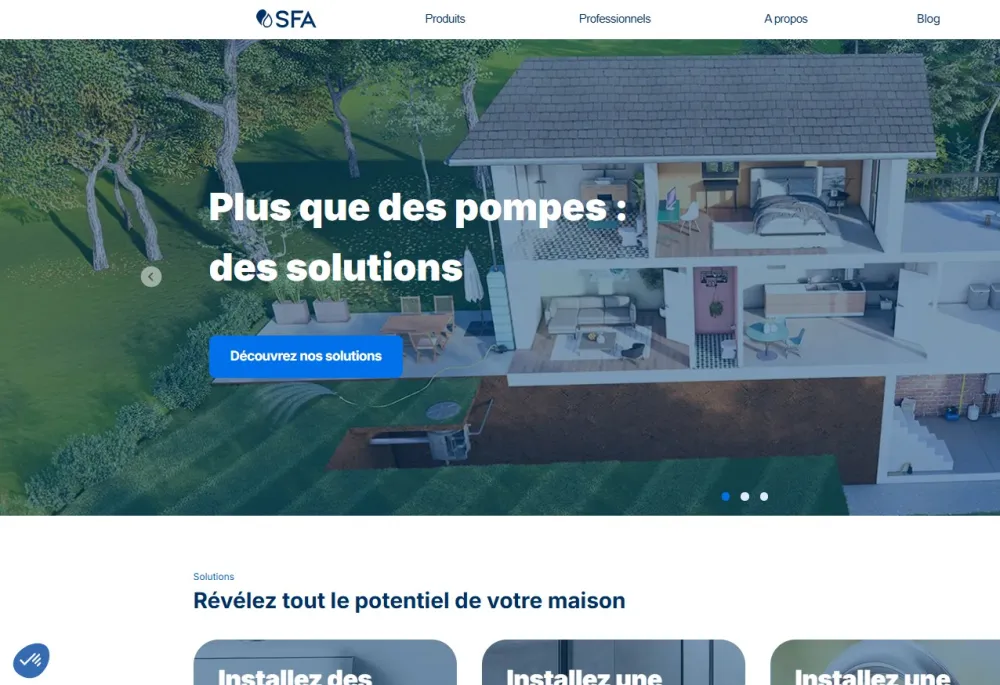
The project delivers a centralized multi-country website factory designed to support Socomec’s international digital strategy. A shared technical and editorial core powers 26 local websites, allowing each country to adapt content to its local business model and users while maintaining a consistent brand identity and user experience.
The platform was designed using a product-oriented and agile approach, closely involving the product owner and key stakeholders throughout the project.
About the project
Goals
- Create a shared digital platform for 26 country websites
- Align stakeholders around a clear and common product vision
- Design a modular solution adaptable to different local business models
- Improve user experience and access to technical and product data
- Support the product owner in structuring and managing the product
Requirements
- A centralized core with reusable components and templates
- Local autonomy for content and market-specific adaptations
- Modular content and features to support multiple use cases
- Clear governance and scalable architecture
- An agile delivery framework focused on value
Outcome
- A Drupal-based site factory supporting 26 country websites
- Consistent branding and UX across all markets
- Improved usability and accessibility of technical information
- Empowered product ownership and clearer governance
- A scalable, future-proof platform supporting Socomec’s international growth
Why Drupal was chosen
Drupal was selected for its proven strengths in multi-site architectures, structured content, and international platforms:
- Native support for site factories and multi-site deployments
- Flexible content modeling adaptable to diverse markets and use cases
- Strong editorial workflows, roles, and permissions
- High standards for performance, security, and scalability
- Long-term sustainability for a large international ecosystem
- Drupal provides a robust foundation for managing a complex, multi-country digital platform.
Technical Specifications
Drupal version:
Key modules/theme/distribution used:
Entity Share and Paragraphs were chosen to provide flexible and reusable content management. Entity Share allows selected content to be easily shared across multiple sections or sites, ensuring consistency and efficiency. Paragraphs enables editors to create structured, dynamic pages using components, giving full control over layout without compromising design standards.
To improve searchability, performance, and scalability, Facets, Search API, Redis, and Varnish Purge were implemented. Search API and Facets provide advanced, filterable search functionality for fast and precise results. Redis and Varnish Purge optimize caching and reduce server load, ensuring smooth and responsive performance for high-traffic areas.
Finally, Security Kit, Translation Management Tool, and the Gin theme were selected to enhance security, multilingual capabilities, and usability. Security Kit strengthens the platform against common vulnerabilities, while Translation Management Tool simplifies content localization. Gin provides a modern, accessible, and efficient administrative interface, making content management and system maintenance faster and more intuitive.