Visit the site
Visit the siteOrganizations Involved
Community contributions
Contribution to the following patches
Drupal Core : https://www.drupal.org/node/2875033
Node Order : https://www.drupal.org/node/3503421
JSON:API Search API : https://www.drupal.org/node/3498459
Translation Management Tool : https://www.drupal.org/node/3134922
TMGMT DeepL Integration : https://www.drupal.org/node/3502785
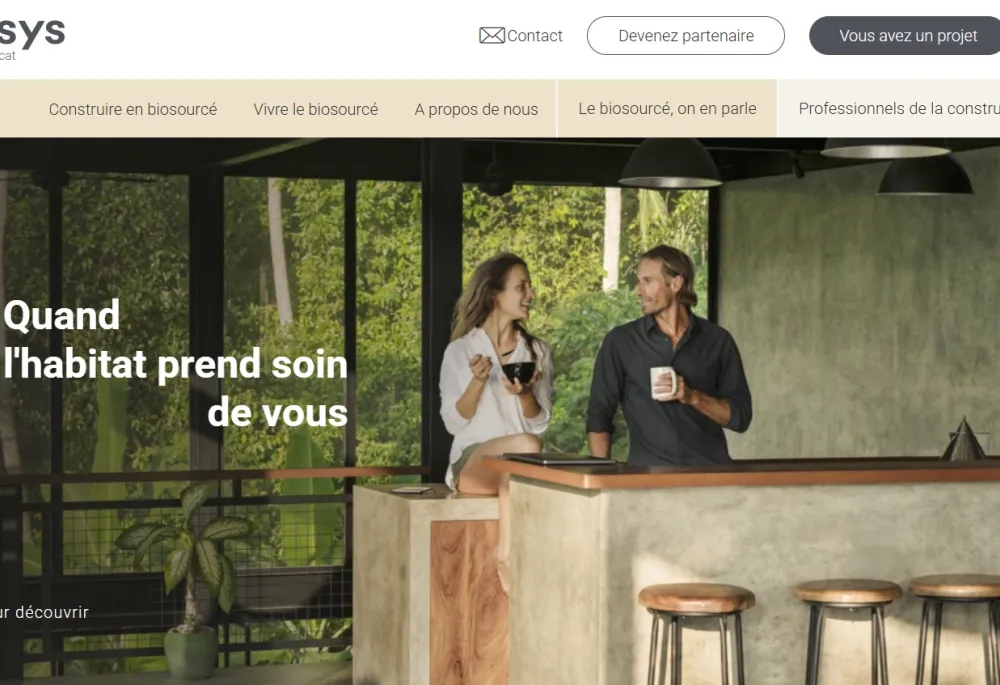
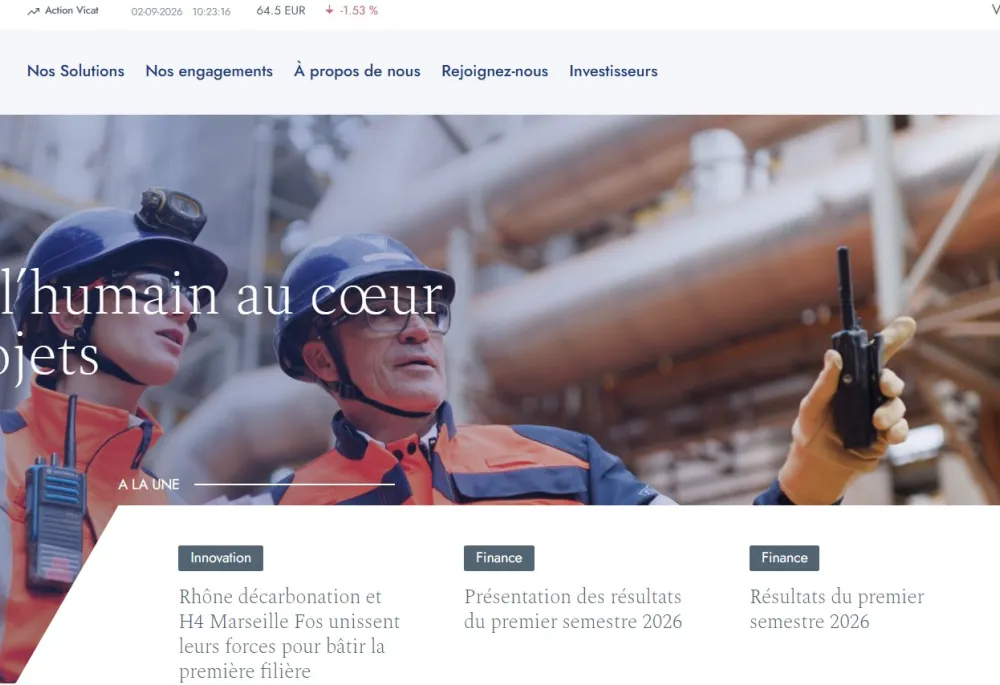
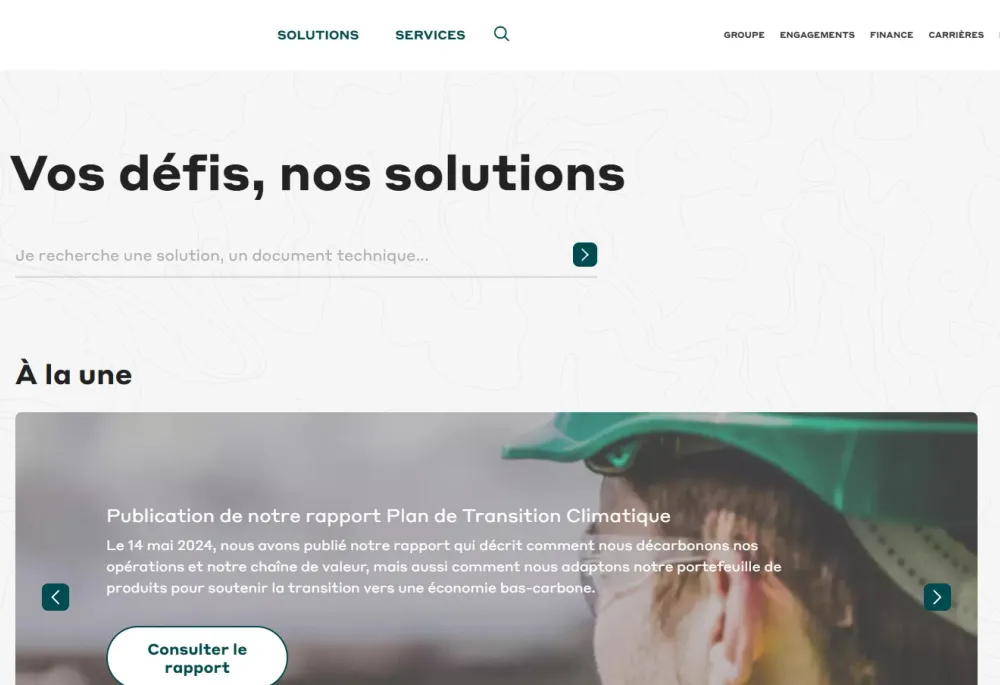
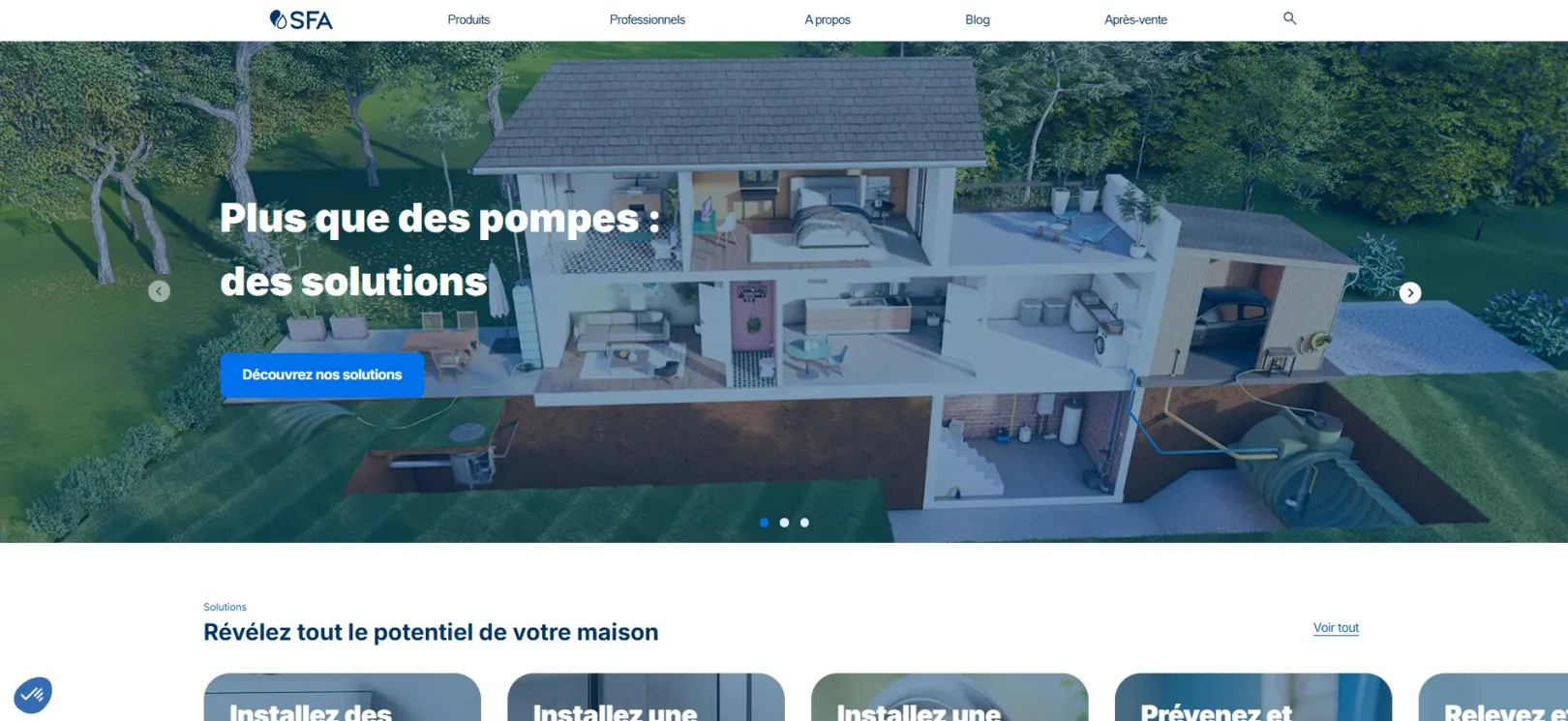
The project delivers a centralized international web factory powering 50 local websites from a shared technical and editorial core. The platform is built as a headless architecture with a Next.js front end, allowing local teams to adapt content, language, and product offerings while maintaining consistent branding, UX standards, and governance.
About the project
Goals
- Replace an aging ecosystem with a scalable global web factory
- Serve multiple user profiles with tailored journeys
- Support sales teams through structured product information and tools
- Improve data collection to enable personalization and CRM enrichment
- Deliver a significantly improved user experience
Requirements
- A centralized core with reusable components and templates
- Modular product catalog and comparison features
- Clear user segmentation and tailored content paths
- Multilingual and multi-market support
- Strong governance with local editorial autonomy
Outcome
- A Drupal-based web factory supporting 50 country websites
- A modern, scalable, and maintainable digital ecosystem
- Improved UX and clearer access to product and technical information
- Stronger alignment between digital presence and sales objectives
- A data-driven platform ready for personalization and future growth
Why Drupal was chosen
Drupal was selected for its ability to support large-scale, multi-country, and business-oriented web platforms:
- Native support for web factories and multisite architectures
- Flexible content and product modeling
- Strong capabilities for user segmentation, roles, and personalization
- Robust data collection and integration capabilities
- High standards for performance, security, and scalability
Drupal provides a sustainable foundation capable of supporting marketing, sales, and customer engagement at scale.
Technical Specifications
Drupal version:
Key modules/theme/distribution used:
JSON:API and Next.js were selected to support a decoupled architecture that delivers high performance and flexibility across multiple front-end applications. JSON:API provides a standardized and secure way to expose structured content, while Next.js enables fast rendering, SEO optimization, and country-specific front-end implementations. The Allowed Languages module ensures content access and visibility are properly controlled by language, supporting clear separation and governance across regions.
To manage complex content and multilingual workflows, Paragraphs, Webform, Search API, and Translation Management Tool were implemented. Paragraphs allows editors to build structured, reusable content components, while Webform supports advanced form creation and data collection. Search API enhances content discoverability, and Translation Management Tool streamlines multilingual content creation, validation, and synchronization across countries.
Finally, Consumer Image Styles, Migrate Plus, and the Gin theme were chosen to optimize media handling, content lifecycle management, and administration efficiency. Consumer Image Styles ensures images are delivered in the correct formats for each front-end, while Migrate Plus enables reliable content transfers between environments. Gin provides a modern, accessible, and efficient administrative interface, improving productivity for content and technical teams alike.