Sector(s)
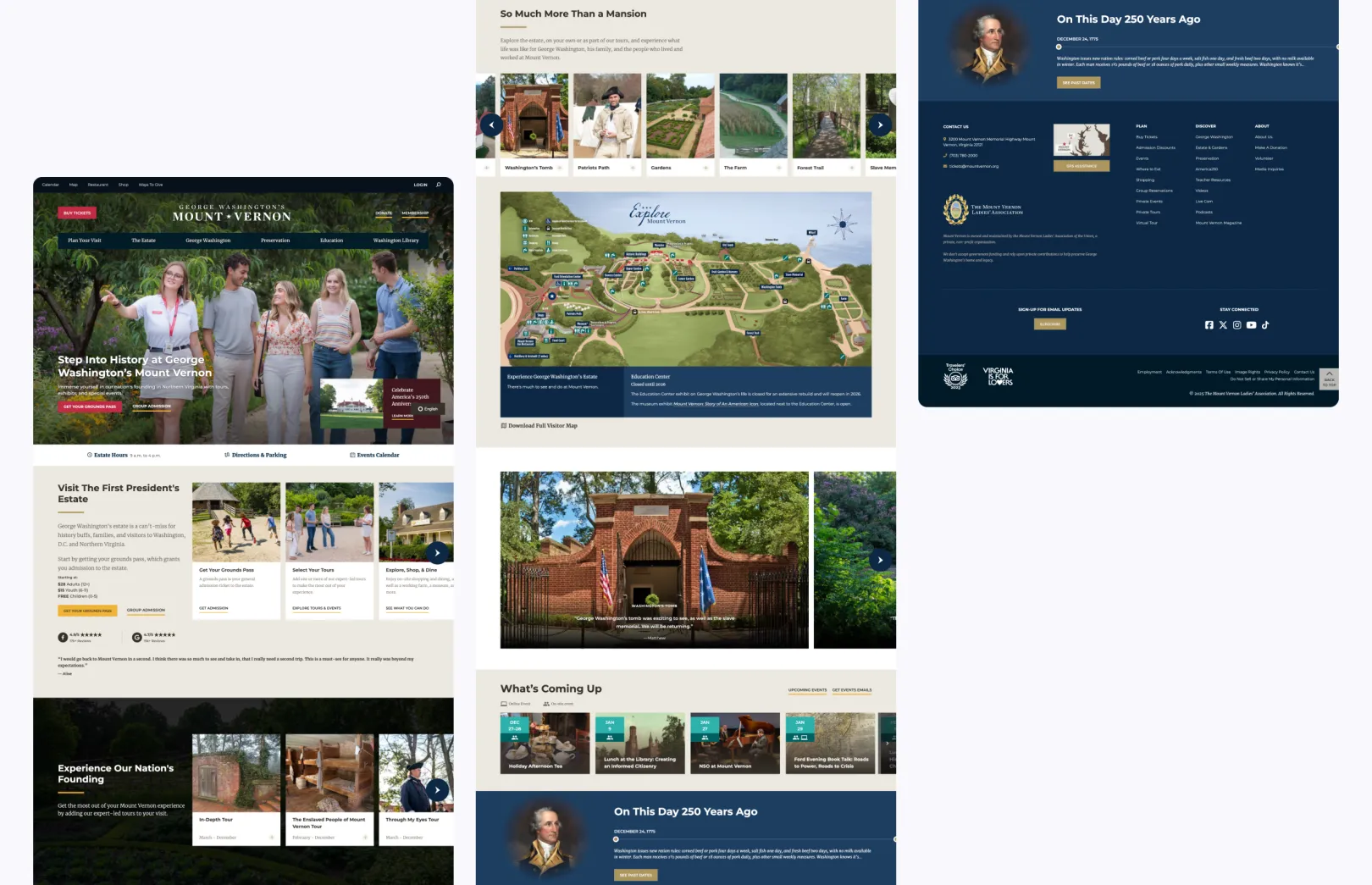
When George Washington’s Mount Vernon outgrew its existing website, the organization set out to build a platform that could support the full scope of its mission: from welcoming visitors and selling tickets to sharing history through video and educational content. Working with Five Jars, Mount Vernon replatformed its digital presence from BigTree CMS to Drupal, creating a unified system that brings content, visitor planning, and editorial workflows together in one place.
The result is a platform that serves millions of visitors each year while giving internal teams the flexibility and control they need to keep the site accurate, current, and ready for what comes next.
About the project
About George Washington’s Mount Vernon
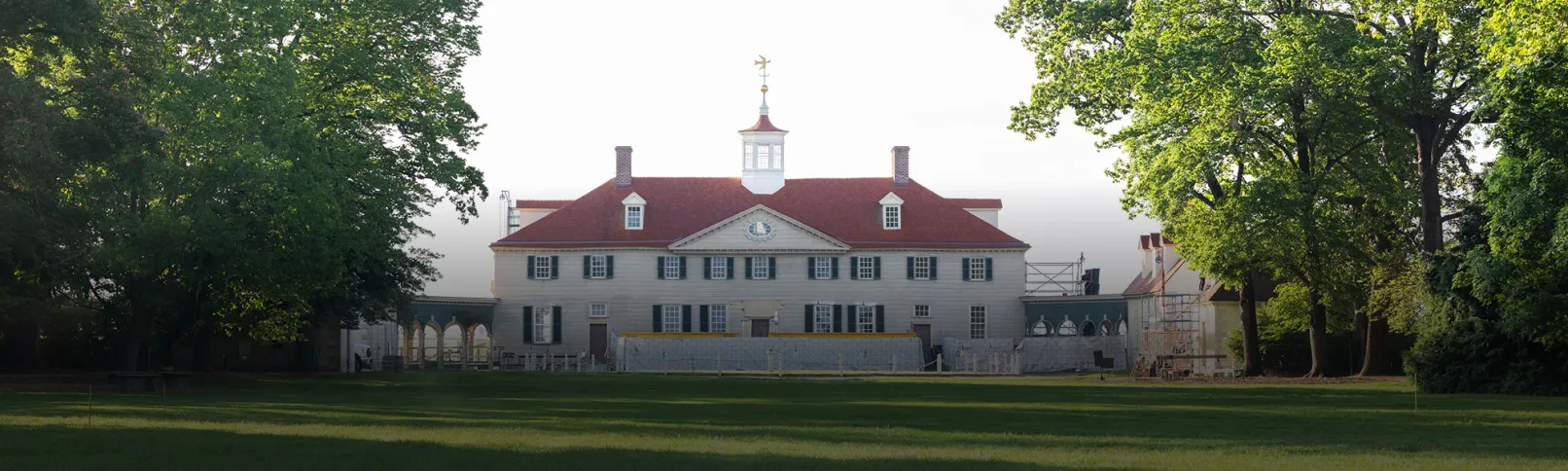
George Washington’s Mount Vernon is one of the most visited historic sites in the United States, welcoming more than one million visitors each year. In addition to being a historic estate and museum, Mount Vernon operates as an educational institution, producing original research, public programs, and a substantial amount of digital content.
The website is central to these efforts. It is where visitors plan trips, purchase tickets, become members, watch educational videos, and engage with Mount Vernon’s mission long before arriving on-site.
Challenges
Mount Vernon’s previous website, built on BigTree CMS, had grown difficult to extend and maintain. Over time, new features were layered on top of the platform, creating fragmentation both for visitors and the team.
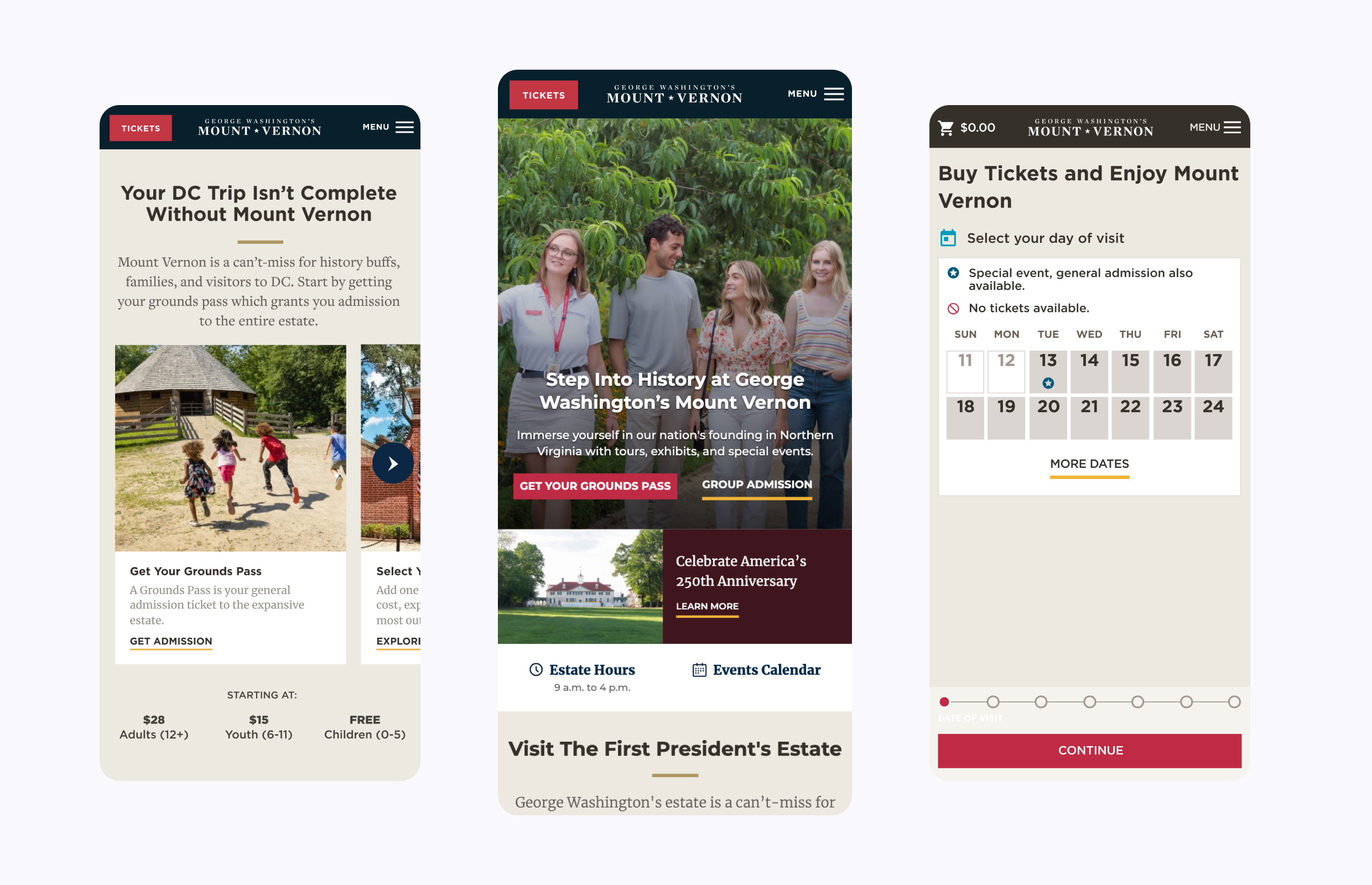
From a visitor's perspective, the experience was disjointed. Educational content, video programming, and visitor information lived in separate sections, while ticketing and memberships, powered by Tessitura, felt detached from the rest of the site. Moving from learning about Mount Vernon to planning a visit or purchasing tickets required context switching and additional steps.
Internally, the platform limited how teams worked. Content reuse was difficult, editorial workflows were rigid, and even small updates often required developer involvement. As Mount Vernon expanded its digital programming and video offerings, these constraints became more pronounced.
The organization needed a platform that could:
- Serve high volumes of visitors reliably
- Integrate Tessitura more naturally into the site experience
- Support a growing video library
- Give editors flexibility without sacrificing governance
Discovery and replatforming approach
Five Jars began the project with a detailed discovery phase that included stakeholder interviews, content audits, technical assessments, and traffic analysis. Together with the Mount Vernon team, they examined how visitors actually move through the site – from reading about exhibitions, to watching videos, to purchasing tickets or becoming members.
A major focus was on reducing friction between content and action. Rather than treating Tessitura as a separate destination, the team planned Drupal as the layer that guides users toward Tessitura-powered transactions clearly and contextually.
Content and media were migrated from BigTree CMS into Drupal using a new structured content model. This allowed information, such as exhibition details or event descriptions, to be reused across pages, campaigns, and formats without duplication.
Visitor planning and Tessitura-integrated transactions
Drupal now serves as the central experience layer for visitor planning. Pages about visiting Mount Vernon, exhibitions, and events are directly connected to Tessitura-powered ticketing and membership paths.
Visitors can learn, plan, and act within the same environment, without being redirected into disconnected flows. This improves clarity and preserves Mount Vernon’s storytelling throughout the transaction process.
Custom Drupal functionality for programs and campaigns
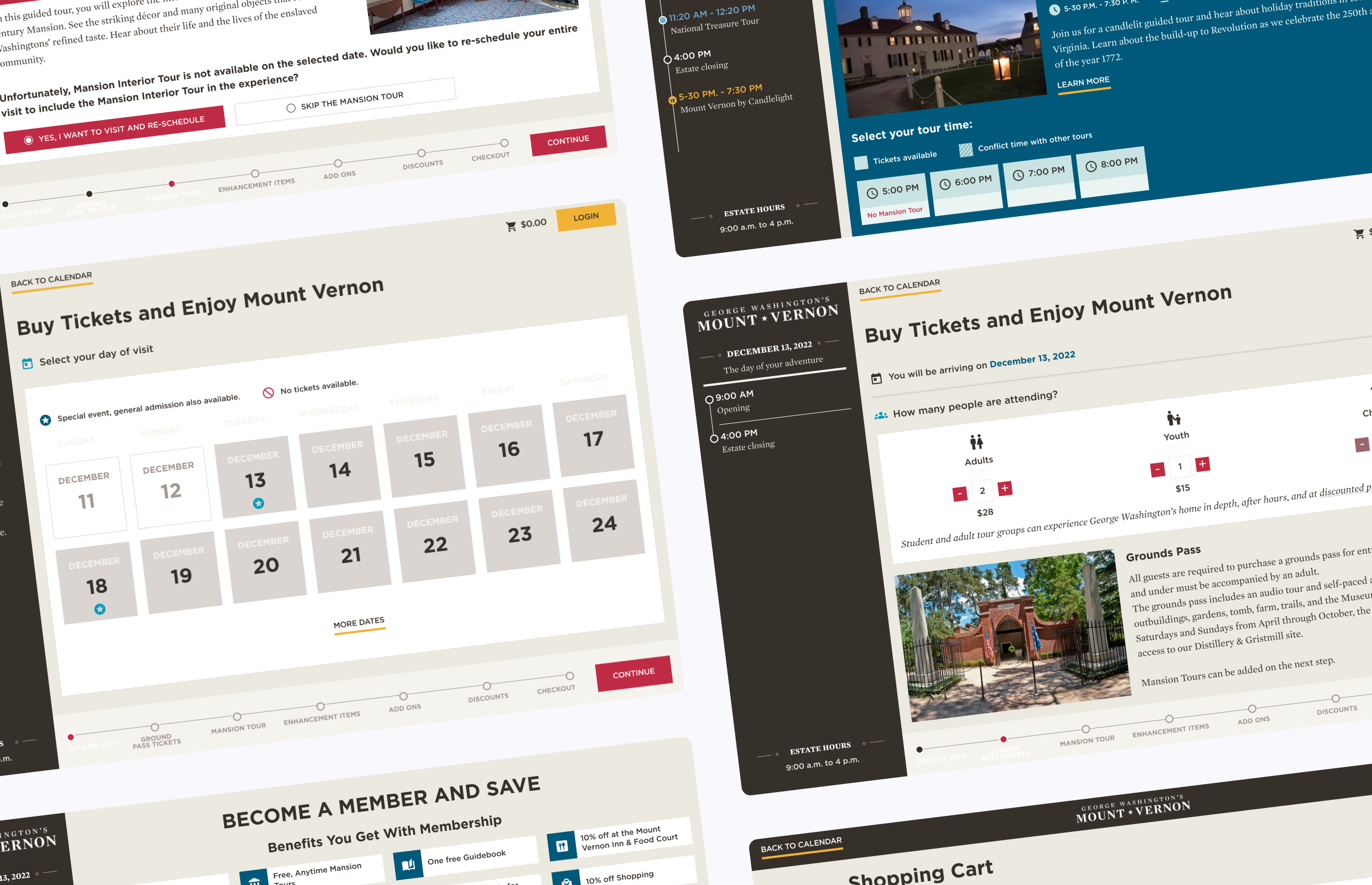
Mount Vernon’s digital needs required more than standard page templates. Five Jars built custom Drupal functionality to support exhibitions, events, and seasonal campaigns.
This includes:
- Custom components designed specifically for visitor information and programming
- Flexible layouts that allow staff to update seasonal content without rebuilding pages
- Clear, repeatable patterns for highlighting calls to action tied to real visitor needs
These custom features allow Mount Vernon to evolve the site as programs change, without increasing editorial complexity.
Video portal and media management
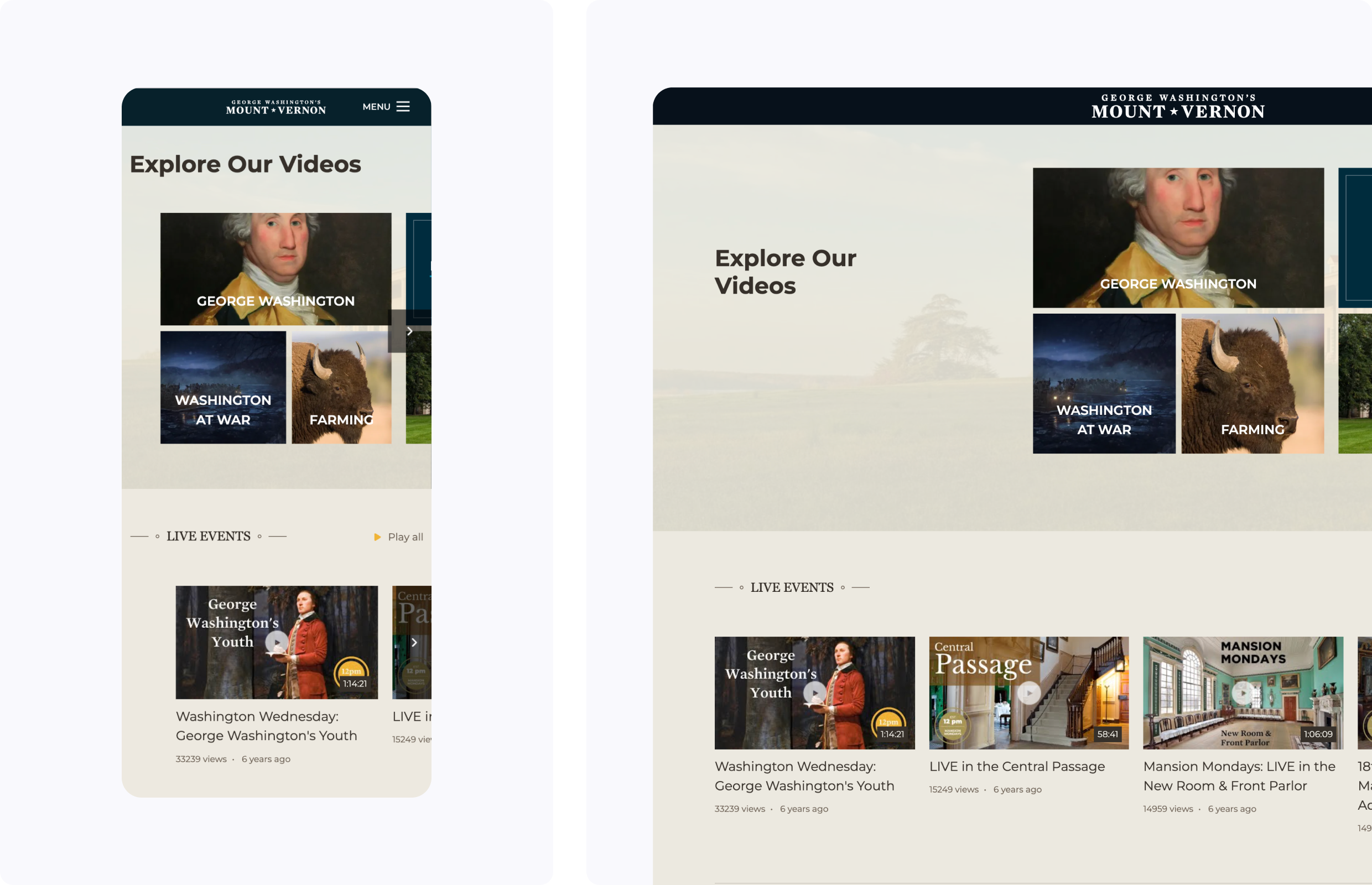
Video is a core part of Mount Vernon’s educational mission. Drupal was used to bring video content into the same content system as articles, exhibitions, and educational resources.
Rather than living in a standalone portal, video is now:
- Structured and searchable
- Reused across multiple sections of the site
-
Published through the same editorial workflows as other content
Editorial workflows and governance
Drupal’s structured content model and editorial tools significantly changed how Mount Vernon’s teams work. Editors can preview content, reuse components, and collaborate across departments without relying on developers for routine changes.
Clear permissions and workflows help maintain accuracy and consistency, essential for a historic institution where trust and credibility matter.
Results
The replatforming from BigTree CMS to Drupal resulted in a more coherent, flexible digital platform.
- Visitor journeys are clearer and more connected
- Tessitura-powered ticketing and memberships feel integrated
- Video and editorial content are managed in one system
- Staff can update and reuse content more efficiently
- The platform is ready to support future programs and growth
Rather than working around platform limitations, Mount Vernon’s teams now have a system that supports how they operate.
Looking ahead
With Drupal at the center of its digital ecosystem, Mount Vernon is well-positioned to continue evolving its online presence. Five Jars continues to support the platform through performance, accessibility, and functional improvements, helping ensure the site remains a trusted gateway to history for years to come.
Why Drupal was chosen
Why Drupal
Drupal was selected for its ability to manage structured content at scale while supporting deep integrations and custom functionality. For Mount Vernon, Drupal offered a way to fully replatform from BigTree CMS and consolidate multiple digital systems into a single foundation.
Drupal made it possible to:
- Use the website as the primary experience layer around Tessitura-powered ticketing and memberships
- Manage editorial content, video, and visitor information in one system
- Build custom functionality tailored to Mount Vernon’s workflows
- Support accessibility, performance, and long-term growth
Technical Specifications
Drupal version:
Key modules/theme/distribution used:
Frontend and Layout Control
Bootstrap Layout Builder (bootstrap_layout_builder)
This module was selected to align Drupal’s Layout Builder with the site’s Bootstrap-based frontend. It allows editors to create responsive, multi-column layouts using familiar grid principles directly in the interface, reducing the need for custom frontend development while preserving consistency across pages.
Layout Builder Browser (layout_builder_browser)
As the number of reusable components grew, selecting the right block from a long list became inefficient. This module introduces a visual, categorized browser that helps editors recognize and choose components quickly, improving speed and confidence during page creation.
Layout Builder Lock (layout_builder_lock)
To balance flexibility with structure, this module was used to protect key layout regions. It prevents accidental removal or modification of essential sections—such as headers or fixed structural elements—while still allowing editors to manage content freely within defined boundaries.
Content Management and Editorial Workflow
Entity Clone (entity_clone)
Mount Vernon frequently publishes similar content types, including exhibitions, programs, and educational resources. Entity Clone allows editors to duplicate existing content and adapt it as needed, saving time and ensuring consistency across the site.
Media Directories (media_directories)
The default flat media library was difficult to manage for a large and growing asset collection. Media Directories introduces a familiar folder-based structure, making it easier for editors to organize, locate, and reuse images and videos across departments.
Smart Date (smart_date)
This module was chosen to handle complex date requirements, including durations, recurring events, and timezone-aware displays. It ensures dates are entered clearly by editors and presented accurately to visitors.
Scheduler (scheduler)
To support time-sensitive publishing, Scheduler allows content to be published or unpublished automatically at predefined dates and times. This reduces the need for manual intervention and supports Mount Vernon’s operational needs beyond standard working hours.
Search and Discovery
Search API (search_api) and Search API OpenSearch (search_api_opensearch)
These modules were used to separate search functionality from the primary database and index content externally. This approach delivers faster, more reliable search results across a growing content set while remaining scalable for future expansion.
Search Engine Visibility
Metatag (metatag)
Metatag provides granular control over page titles, descriptions, and social sharing metadata. This ensures content is indexed accurately by search engines and presented consistently when shared across platforms.
Simple XML Sitemap (simple_sitemap)
This module automates sitemap generation based on site permissions, ensuring search engines only crawl intended public content and improving overall discoverability.
Redirect (redirect)
Redirect was used to manage URL changes during and after the migration. It prevents broken links, preserves search rankings, and allows editors to manage legacy URLs without developer involvement.
Data Migration
Migrate (core module), Migrate Plus (migrate_plus), and Migrate Tools (migrate_tools)
These modules provided the foundation for migrating content from BigTree CMS into Drupal. Together, they enabled structured, repeatable migrations, allowed migration logic to be managed as configuration, and supported efficient execution and validation of large content imports.
Themes and Editorial Experience
Gin (administrative theme)
Gin was selected to modernize the editorial interface. Its cleaner layout, improved spacing, and clearer action controls reduce cognitive load for editors who work in the backend daily.
Radix (frontend base theme)
Radix was chosen as a stable, component-based frontend foundation with native Bootstrap integration. It supports a maintainable design system and ensures consistent alignment between layout, styling, and responsive behavior.